


As a leading supplier of extrusion machines, I understand the critical role that proper extrusion pressure adjustment plays in the manufacturing process. In this blog post, I will share some insights on how to adjust the extrusion pressure of an extrusion machine effectively.
Understanding Extrusion Pressure
Extrusion pressure is the force exerted by the molten material as it is pushed through the die of an extrusion machine. This pressure is crucial for ensuring the quality and consistency of the extruded product. Too much pressure can lead to issues such as excessive die swell, uneven wall thickness, and even damage to the machine. On the other hand, too little pressure can result in incomplete filling of the die, leading to poor surface finish and structural integrity.
Factors Affecting Extrusion Pressure
Several factors can affect the extrusion pressure of an extrusion machine. Understanding these factors is essential for making accurate adjustments.
Material Properties
The properties of the material being extruded, such as its viscosity, density, and melt flow index, have a significant impact on the extrusion pressure. Materials with higher viscosity require more pressure to be extruded through the die. For example, PVC (polyvinyl chloride) has a relatively high viscosity compared to some other plastics, so it typically requires higher extrusion pressure.
Screw Design
The design of the screw in the extrusion machine plays a crucial role in generating and controlling the extrusion pressure. The screw's pitch, depth of flight, and compression ratio determine how effectively it can convey and compress the material. A screw with a higher compression ratio will generally generate more pressure.
Die Design
The die is the component through which the molten material is shaped into the desired product. The design of the die, including its size, shape, and the presence of any restrictions or flow channels, affects the flow resistance of the material and, consequently, the extrusion pressure. A die with a smaller opening or more complex shape will require higher pressure to force the material through.
Temperature
Temperature has a significant effect on the viscosity of the material. As the temperature increases, the viscosity of the material decreases, making it easier to extrude and reducing the required extrusion pressure. However, it is important to maintain the temperature within the appropriate range for the material to ensure proper melting and processing.
Steps to Adjust Extrusion Pressure
Now that we understand the factors affecting extrusion pressure, let's discuss the steps to adjust it effectively.
Monitor the Pressure
The first step is to monitor the extrusion pressure using a pressure sensor installed in the extrusion machine. This sensor provides real-time data on the pressure, allowing you to make informed adjustments. Most modern extrusion machines are equipped with digital pressure gauges that display the pressure accurately.
Analyze the Product Quality
Examine the quality of the extruded product. Look for signs of over - or under - pressure, such as excessive die swell, uneven thickness, or surface defects. If the product has a rough surface or inconsistent dimensions, it may indicate that the extrusion pressure needs adjustment.
Adjust the Screw Speed
One of the simplest ways to adjust the extrusion pressure is to change the screw speed. Increasing the screw speed generally increases the extrusion pressure because it forces more material through the die in a given time. However, be cautious when increasing the screw speed, as it can also lead to overheating of the material and other processing issues.
Modify the Temperature
As mentioned earlier, temperature affects the viscosity of the material. If the extrusion pressure is too high, you can try increasing the temperature slightly to reduce the viscosity of the material. Conversely, if the pressure is too low, you may need to decrease the temperature to increase the viscosity. However, make sure to follow the material manufacturer's recommended temperature range.
Check and Adjust the Die
Inspect the die for any blockages or wear. A blocked die can cause a significant increase in extrusion pressure. Clean the die if necessary, and ensure that it is properly aligned and installed. If the die design is not suitable for the material or the desired product, you may need to consider modifying or replacing it.
Common Problems and Solutions
High Extrusion Pressure
- Cause: Blocked die, high - viscosity material, incorrect screw speed, or low temperature.
- Solution: Clean the die, adjust the screw speed, increase the temperature, or consider using a material with lower viscosity.
Low Extrusion Pressure
- Cause: Worn screw, improper die design, high temperature, or insufficient material feed.
- Solution: Replace the worn screw, modify or replace the die, decrease the temperature, and ensure proper material feeding.
Importance of Proper Extrusion Pressure Adjustment
Proper adjustment of the extrusion pressure is essential for several reasons.
Product Quality
Accurate extrusion pressure ensures that the extruded product has the desired dimensions, surface finish, and mechanical properties. For example, in the production of Plastic Sheet Machine, proper pressure adjustment is crucial for achieving a uniform thickness and smooth surface of the plastic sheet.
Machine Performance
Maintaining the correct extrusion pressure helps to prevent excessive wear and tear on the extrusion machine. High pressure can cause damage to the screw, barrel, and other components, while low pressure may result in inefficient operation and poor product quality.
Production Efficiency
Optimal extrusion pressure allows for a consistent and efficient production process. It reduces the number of rejects and downtime for machine adjustments, leading to increased productivity and cost savings.
Case Studies
Let's take a look at a couple of case studies to illustrate the importance of adjusting extrusion pressure.
Case 1: Production of Yellow Mosquito - Proof PVC Curtains
A manufacturer was experiencing issues with the quality of their yellow mosquito - proof PVC curtains. The curtains had uneven thickness and a rough surface. After analyzing the extrusion process, it was found that the extrusion pressure was too low. By increasing the screw speed and slightly adjusting the temperature, the extrusion pressure was increased, resulting in curtains with uniform thickness and a smooth surface.
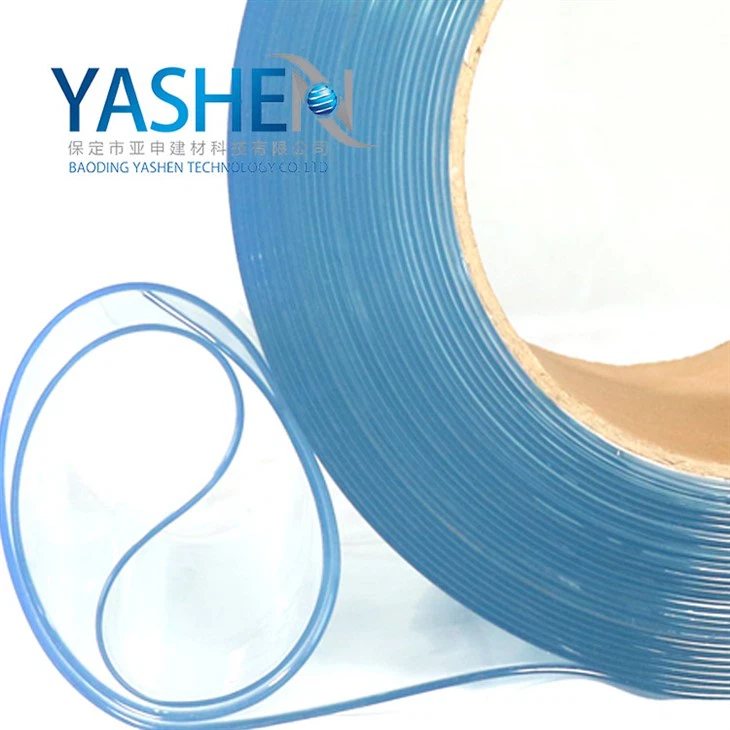

Case 2: Production of Polar PVC Strip Curtain
Another manufacturer was having problems with the strength and flexibility of their polar PVC strip curtains. The curtains were breaking easily during installation and use. Upon investigation, it was discovered that the extrusion pressure was too high, causing excessive orientation of the polymer chains and making the curtains brittle. By reducing the screw speed and adjusting the die design slightly, the extrusion pressure was lowered, and the curtains' mechanical properties were improved.
Conclusion
Adjusting the extrusion pressure of an extrusion machine is a critical aspect of the manufacturing process. By understanding the factors that affect extrusion pressure, following the appropriate adjustment steps, and monitoring the product quality, you can ensure optimal performance of the machine and produce high - quality products.
If you are in the market for an extrusion machine or need further assistance with extrusion pressure adjustment, we are here to help. Our team of experts has extensive experience in the field and can provide you with the best solutions for your specific needs. Contact us to start a discussion about your requirements and explore how our extrusion machines can meet your production goals.
References
- "Extrusion of Plastics: Theory and Practice" by John A. Brydson
- "Plastics Extrusion Technology" by Allan A. Griff