


In the realm of electrical systems, the question of whether a breaker can be used in high - voltage applications is both complex and crucial. As a breaker supplier, I've encountered numerous inquiries regarding the suitability of breakers for high - voltage scenarios. In this blog, we'll delve into the technical aspects, advantages, limitations, and practical considerations of using breakers in high - voltage applications.
Understanding High - Voltage Applications
High - voltage applications typically refer to electrical systems operating at voltages above 1000 volts. These systems are commonly found in power generation plants, transmission networks, industrial facilities, and large - scale commercial buildings. The primary purpose of high - voltage systems is to efficiently transmit electrical power over long distances with minimal losses.
Function and Types of Breakers
Before discussing their use in high - voltage applications, it's essential to understand what breakers are and their different types. A breaker, also known as a circuit breaker, is an automatically operated electrical switch designed to protect an electrical circuit from damage caused by overcurrent, short - circuit, or overload conditions.
There are several types of breakers, including air circuit breakers (ACBs), molded case circuit breakers (MCCBs), and vacuum circuit breakers (VCBs). Each type has its own characteristics and is suitable for different voltage levels and applications.
Air Circuit Breakers (ACBs)
ACBs are designed for low - to medium - voltage applications, typically up to 15 kV. They use air as the arc - quenching medium. ACBs are known for their high interrupting capacity and are commonly used in industrial and commercial power distribution systems.
Molded Case Circuit Breakers (MCCBs)
MCCBs are commonly used in low - voltage applications, usually up to 1000 volts. They are compact, reliable, and offer protection against overcurrent, short - circuit, and overload. MCCBs are widely used in residential, commercial, and industrial electrical installations.
Vacuum Circuit Breakers (VCBs)
VCBs are suitable for medium - to high - voltage applications, ranging from 3.6 kV to 72.5 kV. They use a vacuum as the arc - quenching medium, which provides excellent insulation and arc - extinguishing properties. VCBs are known for their long service life, low maintenance requirements, and high reliability.
Using Breakers in High - Voltage Applications
Now, let's address the main question: Can a breaker be used in high - voltage applications? The answer is yes, but with certain limitations and considerations.
Advantages of Using Breakers in High - Voltage Applications
- Overcurrent and Short - Circuit Protection: Breakers provide reliable protection against overcurrent and short - circuit conditions in high - voltage systems. They can quickly interrupt the flow of current when a fault occurs, preventing damage to electrical equipment and reducing the risk of electrical fires.
- Selectivity: High - voltage breakers can be designed to provide selective protection, which means that only the faulty section of the electrical system is isolated while the rest of the system continues to operate normally. This improves the reliability and efficiency of the overall electrical system.
- Remote Operation and Monitoring: Many high - voltage breakers are equipped with remote control and monitoring capabilities. This allows operators to remotely operate the breaker, monitor its status, and receive real - time information about the electrical system.
Limitations and Considerations
- Voltage Rating: The most important consideration when using a breaker in high - voltage applications is its voltage rating. The breaker must be rated for the specific voltage level of the electrical system. Using a breaker with a lower voltage rating can result in insulation failure, arcing, and damage to the breaker and other electrical equipment.
- Interrupting Capacity: High - voltage systems can experience high - magnitude short - circuit currents. The breaker must have a sufficient interrupting capacity to safely interrupt these currents without causing excessive arcing or damage to the breaker.
- Insulation and Arc - Quenching: High - voltage breakers require advanced insulation and arc - quenching technologies to ensure reliable operation. The insulation materials must be able to withstand the high voltages and temperatures generated during normal operation and fault conditions. The arc - quenching medium must be able to quickly extinguish the arc and prevent its re - ignition.
- Maintenance and Testing: High - voltage breakers require regular maintenance and testing to ensure their proper operation. This includes checking the insulation resistance, contact resistance, and operating characteristics of the breaker. Regular maintenance can help detect potential problems early and prevent costly downtime.
Real - World Applications
In real - world high - voltage applications, breakers play a critical role in ensuring the safety and reliability of electrical systems. For example, in power generation plants, breakers are used to protect the generators, transformers, and other electrical equipment from overcurrent and short - circuit conditions. In transmission networks, breakers are used to isolate faulty sections of the grid and prevent the spread of faults.
In industrial facilities, high - voltage breakers are used to protect large motors, transformers, and other electrical equipment. They help prevent damage to the equipment and ensure the continuous operation of the production process.
Related Products and Their Applications
As a breaker supplier, we also offer a range of related products that are suitable for high - voltage applications. For instance, the Multi - functional Pvc Foam Sheet can be used for insulation purposes in high - voltage electrical enclosures. Its excellent insulation properties and durability make it an ideal choice for protecting electrical components from environmental factors and electrical interference.
The Insect Proof PVC Strip Door Curtain can be used in high - voltage switchgear rooms to prevent insects from entering and causing damage to the electrical equipment. Insects can sometimes cause short - circuits or other electrical problems, and these curtains provide an effective barrier.
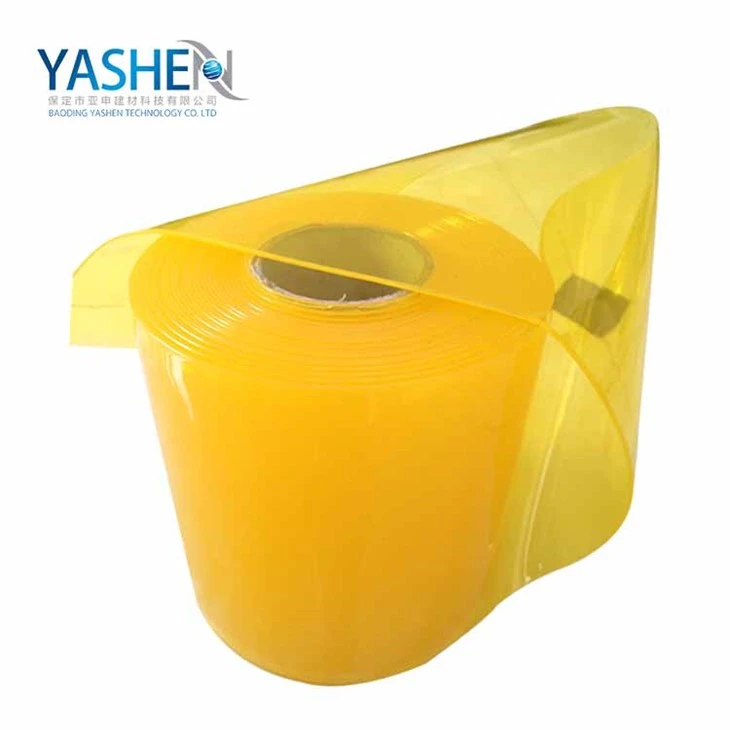

The Wholesale Phenolic Cloth Rod is another product that is commonly used in high - voltage applications. It has high mechanical strength and good electrical insulation properties, making it suitable for use as support rods and insulation in high - voltage transformers and switchgear.
Conclusion
In conclusion, breakers can be used in high - voltage applications, but careful consideration must be given to their voltage rating, interrupting capacity, insulation, and arc - quenching capabilities. By selecting the right type of breaker and ensuring proper installation, maintenance, and testing, high - voltage breakers can provide reliable protection for electrical systems.
If you are in the market for breakers or related products for high - voltage applications, we invite you to contact us for more information. Our team of experts can help you select the right products for your specific needs and provide you with professional advice on installation, maintenance, and operation. We look forward to the opportunity to work with you and contribute to the success of your electrical projects.
References
- Blackburn, J. L. (2014). Protective Relaying: Principles and Applications. CRC Press.
- Grigsby, L. L. (Ed.). (2013). Electric Power Engineering Handbook. CRC Press.
- Swaminathan, M. (2007). High - Voltage Engineering: Fundamentals. Tata McGraw - Hill Education.