


What is the adhesion of flexible PVC sheets to other materials?
As a supplier of flexible PVC sheets, I've witnessed firsthand the diverse applications and the importance of understanding how these sheets adhere to different materials. Adhesion is a critical factor that can significantly impact the performance and longevity of products made with flexible PVC sheets. In this blog, we'll explore the concept of adhesion, the factors affecting it, and the common materials to which flexible PVC sheets are adhered.
Understanding Adhesion
Adhesion refers to the ability of two materials to stick together. When it comes to flexible PVC sheets, adhesion is crucial for various applications, such as laminating, bonding, and sealing. A strong adhesion ensures that the PVC sheet remains firmly attached to the substrate, preventing peeling, delamination, or separation over time.
The adhesion process involves several mechanisms, including mechanical interlocking, chemical bonding, and physical adsorption. Mechanical interlocking occurs when the surface of the PVC sheet and the substrate have irregularities that interlock with each other, creating a physical bond. Chemical bonding involves the formation of covalent or ionic bonds between the molecules of the PVC sheet and the substrate. Physical adsorption, on the other hand, is the attraction between the molecules of the two materials due to van der Waals forces.
Factors Affecting Adhesion
Several factors can affect the adhesion of flexible PVC sheets to other materials. Understanding these factors is essential for achieving optimal adhesion and ensuring the quality of the final product.
- Surface Preparation: The surface of the substrate must be clean, dry, and free from contaminants such as dust, oil, grease, and rust. Any impurities on the surface can prevent the PVC sheet from adhering properly. Surface preparation techniques may include cleaning, sanding, priming, or etching, depending on the type of substrate and the adhesion requirements.
- Temperature and Humidity: Temperature and humidity can have a significant impact on the adhesion process. High temperatures can cause the PVC sheet to soften and lose its adhesion, while low temperatures can make the sheet brittle and difficult to bond. Humidity can also affect the adhesion by causing moisture to accumulate on the surface, which can interfere with the bonding process. It is important to control the temperature and humidity during the adhesion process to ensure optimal results.
- Pressure: Applying the right amount of pressure during the adhesion process is crucial for achieving a strong bond. Insufficient pressure may result in poor adhesion, while excessive pressure can damage the PVC sheet or the substrate. The pressure required depends on the type of substrate, the thickness of the PVC sheet, and the adhesion method used.
- Adhesive Selection: Choosing the right adhesive is essential for achieving good adhesion. There are various types of adhesives available, each with its own properties and suitability for different applications. Factors to consider when selecting an adhesive include the type of substrate, the temperature and humidity conditions, the required bond strength, and the application method.
Common Materials for Adhesion
Flexible PVC sheets can be adhered to a wide range of materials, including metals, plastics, wood, glass, and fabrics. Here are some common materials and the considerations for adhering flexible PVC sheets to them:

- Metals: Adhering flexible PVC sheets to metals can be challenging due to the differences in surface properties and thermal expansion coefficients. Surface preparation is crucial to ensure good adhesion. The metal surface should be cleaned, degreased, and roughened to improve mechanical interlocking. Primers or adhesion promoters may also be used to enhance the bond strength. Epoxy adhesives are commonly used for bonding PVC sheets to metals due to their high strength and chemical resistance.
- Plastics: When adhering flexible PVC sheets to other plastics, it is important to consider the compatibility of the materials. Some plastics may have similar chemical properties to PVC, making them easier to bond, while others may require special adhesives or surface treatments. Solvent-based adhesives are often used for bonding PVC sheets to other plastics, as they can dissolve the surface of the plastics and create a strong bond.
- Wood: Adhering flexible PVC sheets to wood can provide a protective and decorative finish. The wood surface should be sanded to remove any roughness and ensure a smooth surface for adhesion. PVA (polyvinyl acetate) adhesives are commonly used for bonding PVC sheets to wood due to their ease of use and good adhesion properties.
- Glass: Bonding flexible PVC sheets to glass requires a clear and strong adhesive that can withstand environmental conditions. Silicone adhesives are often used for this application due to their transparency, flexibility, and weather resistance. The glass surface should be cleaned and dried thoroughly before applying the adhesive to ensure good adhesion.
- Fabrics: Flexible PVC sheets can be adhered to fabrics to create waterproof or protective covers. The fabric should be clean and free from any wrinkles or creases. Contact adhesives are commonly used for bonding PVC sheets to fabrics, as they provide a strong and flexible bond.
Applications of Adhered Flexible PVC Sheets
The ability to adhere flexible PVC sheets to other materials opens up a wide range of applications in various industries. Here are some examples:
- Automotive Industry: Flexible PVC sheets are used in the automotive industry for interior trim, upholstery, and protective covers. Adhering PVC sheets to metal or plastic components can provide a durable and aesthetically pleasing finish.
- Construction Industry: In the construction industry, flexible PVC sheets are used for roofing, waterproofing, and insulation. Adhering PVC sheets to substrates such as wood, metal, or concrete can provide a reliable and long-lasting solution.
- Medical Industry: Flexible PVC sheets are used in the medical industry for applications such as medical drapes, wound dressings, and protective barriers. Adhering PVC sheets to fabrics or other materials can ensure the integrity and functionality of these products.
- Packaging Industry: Flexible PVC sheets are used in the packaging industry for blister packs, shrink wraps, and labels. Adhering PVC sheets to cardboard or plastic containers can provide a secure and attractive packaging solution.
Our Products and Solutions
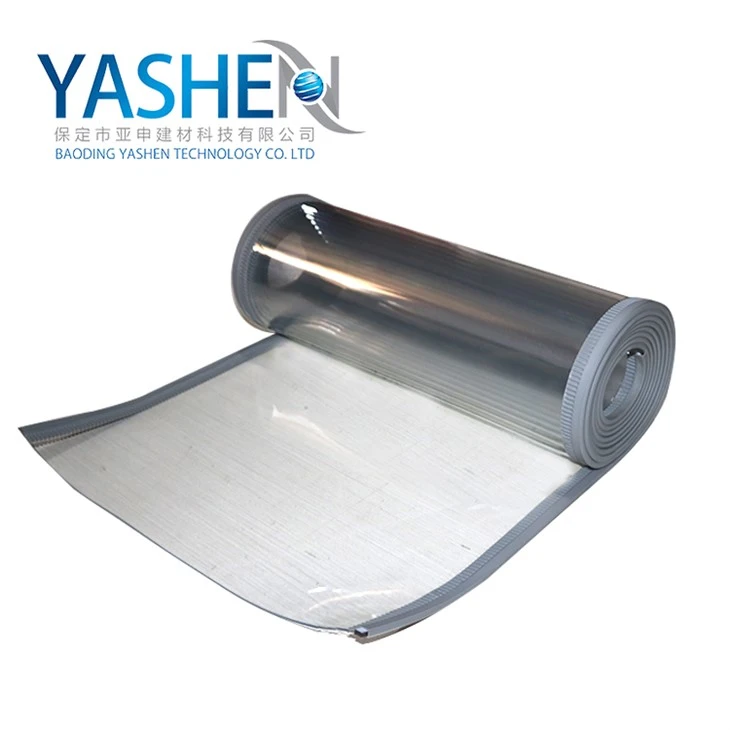
As a supplier of flexible PVC sheets, we offer a wide range of products that are suitable for various adhesion applications. Our Mutil-function Standard PVC Strip Curtain is a versatile product that can be easily adhered to metal or plastic frames to create a barrier for temperature control, dust prevention, or privacy. Our Magnetic Self-Priming Curtain features a self-priming magnetic strip that allows for easy installation and strong adhesion. And our Arc Proof PVC Roll Welding Curtain is designed to provide protection against arc welding and can be adhered to metal or wooden frames.
We also provide technical support and guidance to help our customers achieve the best adhesion results. Our team of experts can assist with surface preparation, adhesive selection, and application techniques to ensure that our products meet the specific requirements of each application.
Contact Us for Procurement
If you are interested in purchasing our flexible PVC sheets or have any questions about adhesion or our products, please feel free to contact us. We are committed to providing high-quality products and excellent customer service. Whether you are a small business or a large corporation, we can work with you to find the right solution for your needs. Let's start a conversation and explore how our flexible PVC sheets can enhance your products and applications.
References
- ASTM International. (2021). Standard Test Methods for Peel Resistance of Adhesives (T-Peel Test). ASTM D1876 - 08(2021).
- ISO. (2013). Adhesives - Determination of T-Peel Strength of High-Strength Adhesive Bonds. ISO 11339:2013.
- Peel, L. (2019). Adhesion Science and Engineering: Surfaces, Chemistry, and Applications. Elsevier.