


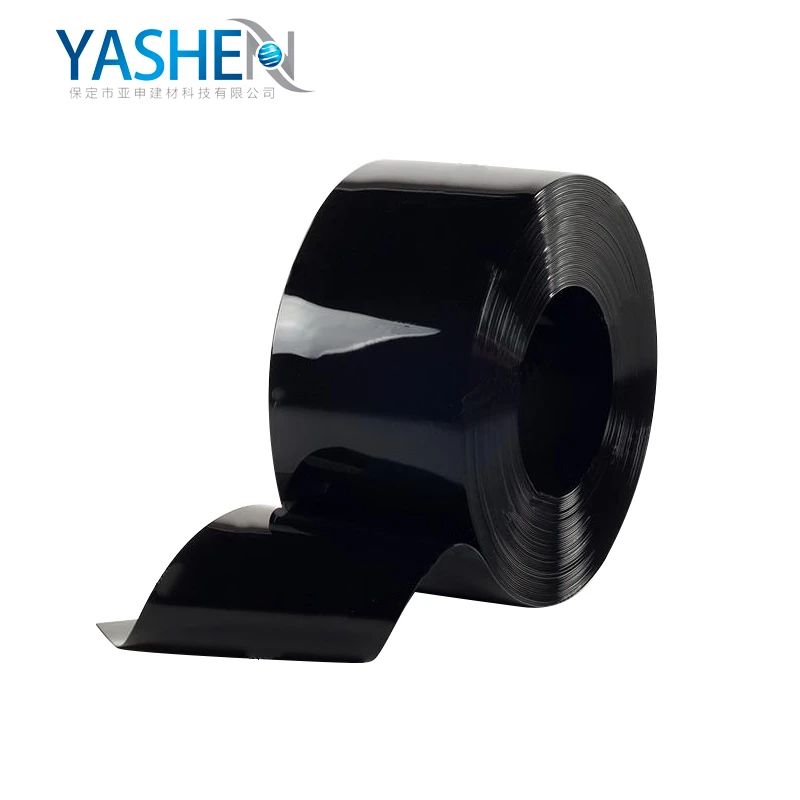
Transparency and Color
Hold a clear strip up to the light. It should be clean and see-through. No cloudiness. No spots. No bubbles or specks floating inside.
If it looks yellow, gray, or foggy, it's probably made from recycled or low-grade material. That affects flexibility and how fast it ages. A curtain that's already cloudy won't get better.
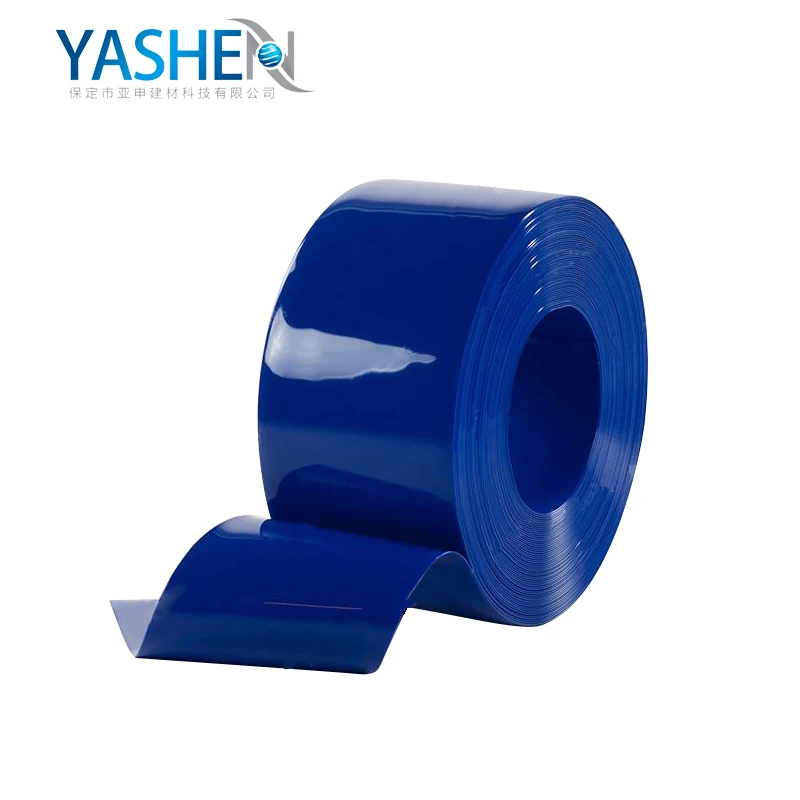
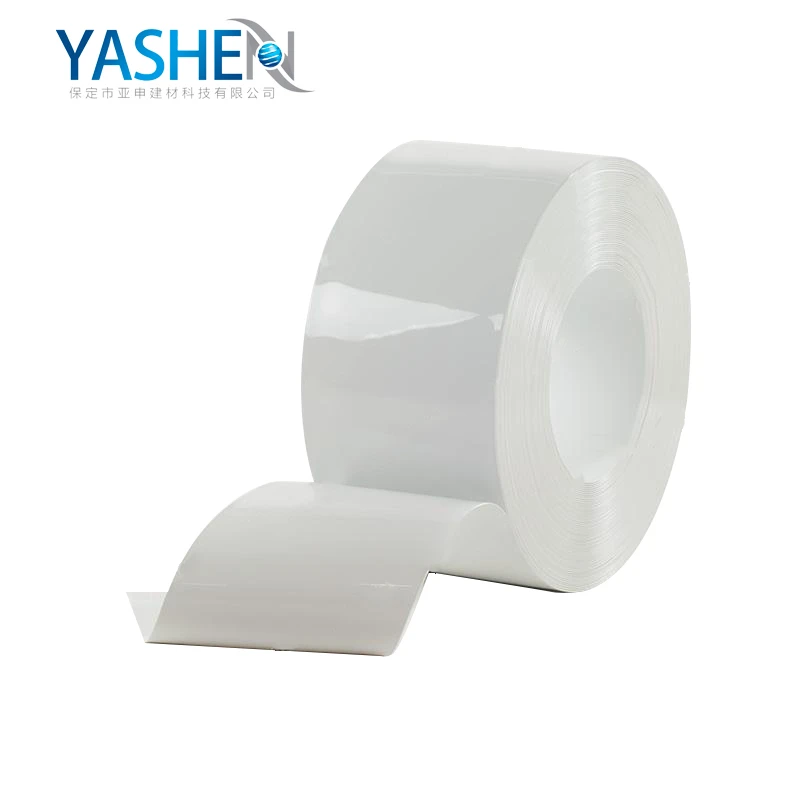
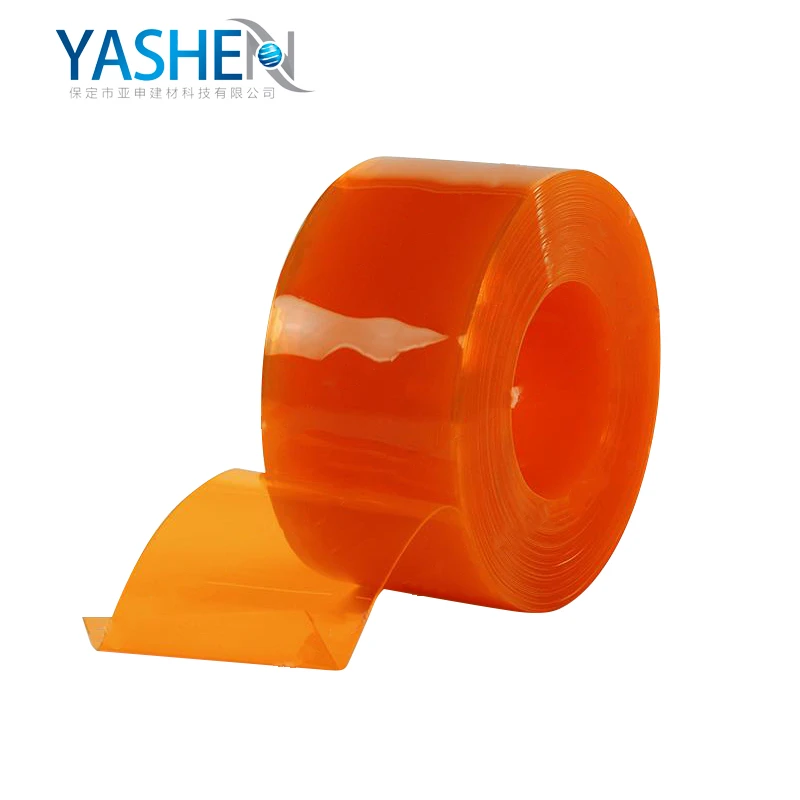
For colored strips-blue, yellow, red-check that the color is even. No patches. No fading at the edges. Uneven color usually means a cheap dye job, and it'll fade faster in sunlight.
Flexibility and Feel
A good PVC strip is soft and elastic. Bend it. Fold it. It should spring back without cracking or leaving a crease.
Press it with your thumb. You want some give, but not too much. If it's rock hard, it'll snap in cold weather. If it's mushy soft, it'll sag and deform. The right feel is somewhere in the middle.
Cold Resistance (If You Need It)
Cold storage and freezer applications are hard on PVC. A standard strip will go stiff and brittle in a freezer. It'll crack the first time a forklift pushes through.
Ask your supplier for a cold-resistant sample. Put it in your freezer overnight.
Take it out and bend it. If it still flexes without cracking, it's suitable for low-temperature use.
Don't skip this test. A curtain that fails in the cold is a wasted purchase.
Temperature Rating
Match the curtain to your environment.
◆Normal conditions - workshops, warehouses, supermarkets: look for -10°C to 60°C.
◆Cold storage and cold chain - need a low-temperature model rated -30°C to 0°C.
◆Hot environments - near kitchens, boiler rooms, foundries: confirm the upper limit. Some specialty curtains handle 80°C or more. Standard ones will soften and sag.
If your supplier can't tell you the temperature range, walk away.
Edges and Cutting
Look at the edges of the strip. They should be clean and smooth. No burrs. No ragged cuts.
Rough edges catch on clothing, carts, and boxes. They also start tears. A precision-cut edge lasts much longer than a manually trimmed one.
Hardware and Accessories
The strips are only half the system. The mounting hardware matters just as much.
Check the top rail, hooks, and fasteners. They should be stainless steel or another rust-proof material. Cheap plastic or plain iron hardware will rust, crack, or fail. When the hardware fails, the curtain falls.
Ask what the hardware is made of. If the answer is vague, that tells you something.
A Few More Things I'd Check
Thickness consistency - run your hand along the strip. It should feel even. Thin spots wear out faster.
Width tolerance - strips should overlap properly. If they're too narrow, you get gaps.
UV resistance - for outdoor use, confirm the curtain has UV stabilizers. Otherwise it'll yellow and brittle.
Certifications - food-safe, anti-static, or flame-retardant curtains should have documentation.
What Cheap Curtains Get Wrong
◆Recycled PVC that clouds and cracks
◆Inconsistent thickness
◆Rough edges that tear
◆Hardware that rusts in weeks
◆No cold-resistance testing
◆No temperature rating on the label
You save money upfront. You pay for it later.
Bottom Line
A good PVC strip curtain is clear, flexible, and rated for your temperature range. The edges are clean. The hardware is rust-proof. The supplier can answer basic questions.
If you're not sure, ask for a sample. Bend it. Freeze it. Look at the edges. Five minutes of checking saves a lot of headaches.
We supply standard PVC strip curtains, low-temperature curtains, anti-static clear curtains, and magnetic PVC curtains. If you tell us your application and temperature range, we'll point you to the right product.


