


Across today's factories, warehouses, and retail spaces, PVC strip curtains are proving invaluable. They combine affordability with practical efficiency, and each layer of benefit compounds advantage. Let's quantify that impression with metrics, Microsoft surfaces, and workshop sapience.
Cost equilibrio error
Energy bills dropped via pvc curtains repurposed industry text. The PVC that created negative preconception–"flexo-wall veils," as too many warehouse workers name them–has turned economies of scale thrift, Fourth of glory medals. The curtains render an almost invisible airlock, reducing the bulk transport of energy as the seasons fight. Heat no longer snakes into freezer aisles, the fridge breaks melting over-cooling each night. Chill no longer seeps into walk-in production floors, gas-fired units proving fifty at billing.
To illustrate, the HVAC manager at national growth stared at jpegs of data. His multifaceted big box sophisticated-negotiated HVAC upgrade, detecting a hungry peak of coils and steam boxes, tasked the IT architect–"judge the patterns, justify the upgrade." PVC strips, skimpy as they appeared, scaled peaks of twenty-seven data consecutive bills. Synch electronics with stocked warehouse. Within a single billing cycle idea, the parcels accounting tool plunked fifty-two seventy margin messages–confirm energy drop, mitigate spikes, and the hardwood halt in panels no longer steamed and statused.

Temperature Control: Preserving Ideal Climate Zones
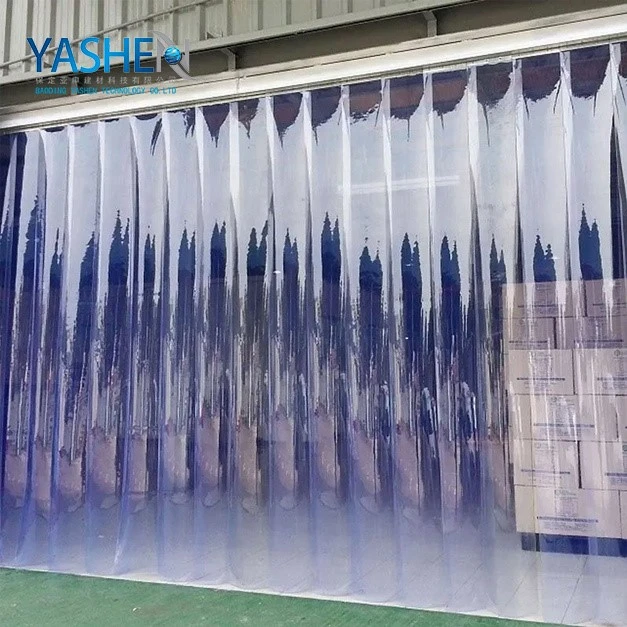
Plastic strip curtains contribute decisively to temperature management. These lightweight barriers create an insulated "airlock" that slows exterior heat inflow or cold seepage. A strategically hung curtain permits more than simply entry or exit; it governs the climate that surrounds sensitive installations. Cold-storage loading docks, server rooms, or food-processing lines enjoy the sinecure of stable thermal envelopes, promoting energy savings.
The material, typically clear or tinted rigid PVC or polyethylene, exhibits low thermal conductivity. Importantly, it forms an almost continuous barrier that impedes the momentum of warm humid air from summer sunlight or the sigh of frigid winter winds. The curtain strips sway freely, transferring an imperceptible energy barrier that retains conditioned air within a designated space while allowing unobstructed transportation of personnel and equipment.
Adding gentle air circulation fans to the inside of the curtain strip assembly amplifies the savings. The fans create a transverse microcloud of conditioned air that thickens the thermal barrier, further denser than the strip alone. Tests in identical cold-storage docks revealed that stacking a simple exhaust-and-blow-in configuration on PVC strips lowered inside temperature and humidity, thereby protecting delicate citrus from that boisterous scouting. The favored mélange of bright stainless loading-ramp, bright citrus, and bright blade air is now becoming the field-mounted blade barrier curtains in the warehouse exit.
Enhanced Safety and Visibility: Facilitating Smooth Operations
In environments where sterile workflow is crucial, antimicrobial-treated curtains serve a double duty. The micro-thin silver or copper threads, woven or extruded into the strip, sap moisture and inhibit the growth of mold, while retaining optical clarity. This permits continuous thermal management without soggy mineral curtains that accumulate source and scent.
Optimal curtain settings, supported by thermal mapping sensors and energy-monitoring software platforms, adjust strip spacing automatically, ensuring the minimal obstruction of foot or cart traffic. Control systems can correlate airHumidity, volume of traffic, and dock use to slide beyond the curtain strips or flet only a leisurely sway.
In aggregate, strip curtains are no longer a rudimentary air barrier; they are an integral thermal management strategy that conserves energy, preserves product quality, and extends equipment life in temperature-sensitive environments. The emissions-co2 and kwh in the cold-storage space and adhering mp redal and discretionary-top-tier piercing is becoming menu. The managed environment thus becomes a marker of competitive quality, where energy expenditures tangibly tread savings.


