


Hey there! As a PVC sheet supplier, I'm super excited to chat with you about the various installation methods for PVC sheet wall cladding. PVC sheets are an awesome choice for wall cladding because they're durable, easy to clean, and come in a whole bunch of styles and colors. Whether you're looking to spruce up your home, office, or any other space, PVC sheet wall cladding can do wonders.
Direct Adhesive Installation
One of the most common ways to install PVC sheet wall cladding is by using direct adhesive. This method is great for smooth and flat walls. Here's how you can do it:
First, you need to prepare the wall surface. Make sure the wall is clean, dry, and free of any dust, dirt, or loose paint. You can use a mild detergent and water to clean the wall and then let it dry completely. Once the wall is ready, measure the area where you want to install the PVC sheets and cut the sheets to the appropriate size. I usually recommend using a sharp utility knife to get a clean and precise cut.
Next, apply the adhesive to the back of the PVC sheet. You can use a notched trowel to spread the adhesive evenly. Make sure to follow the manufacturer's instructions on the adhesive for the best results. After applying the adhesive, carefully place the PVC sheet on the wall and press it firmly into place. Use a roller or a flat tool to smooth out any air bubbles and ensure good contact between the sheet and the wall.
Repeat this process for each PVC sheet, making sure to align them properly. You can use a level to ensure that the sheets are installed straight. Once all the sheets are installed, let the adhesive dry according to the manufacturer's instructions. And that's it! You've got beautiful PVC sheet wall cladding installed using the direct adhesive method.
Mechanical Fixing Installation
Another popular installation method is mechanical fixing. This is a great option for walls that are not perfectly smooth or for areas where you need extra security. Here's what you need to do:
Similar to the direct adhesive method, start by preparing the wall surface. Clean the wall and make sure it's dry. Then, measure and cut the PVC sheets to size.
For mechanical fixing, you'll need to use screws or nails. Make sure to choose the right type of fasteners for your wall material. If you're installing the PVC sheets on a wooden wall, you can use wood screws. For a concrete or brick wall, you'll need to use masonry screws or nails.
Mark the positions where you want to attach the PVC sheets on the wall. Use a pencil or a marker to make small dots. Then, drill pilot holes at these marked positions. The size of the pilot holes should be slightly smaller than the diameter of the screws or nails you're using.
Place the PVC sheet on the wall and align it with the pilot holes. Insert the screws or nails through the holes in the PVC sheet and into the wall. Make sure not to overtighten the fasteners, as this can cause the PVC sheet to crack.
Continue this process for each PVC sheet, making sure to leave a small gap between the sheets to allow for expansion. After all the sheets are installed, you can cover the screw or nail heads with matching PVC caps or trim to give it a more finished look.
Tongue and Groove Installation
Tongue and groove PVC sheets are specifically designed for easy installation. They have a tongue on one edge and a groove on the other edge, which allows them to fit together seamlessly. Here's how to install them:
Again, start by preparing the wall. Clean and dry the surface. Measure and cut the PVC sheets to the desired length.
Begin by installing the first sheet at one end of the wall. Make sure it's level and plumb. You can use direct adhesive or mechanical fixing to secure the first sheet to the wall.
Once the first sheet is in place, take the next sheet and align the tongue of the new sheet with the groove of the already installed sheet. Press the two sheets together firmly until they snap into place. You may need to use a rubber mallet to gently tap the sheets to ensure a tight fit.
Continue this process, adding one sheet at a time, until you've covered the entire wall. Use a level to check the alignment of the sheets as you go. If you need to cut a sheet to fit at the end of the wall, make sure to measure carefully and use a sharp saw or cutter.

Benefits of Different Installation Methods
Each installation method has its own advantages. The direct adhesive method is quick and easy, and it gives a neat and seamless finish. It's also great for DIY projects because you don't need a lot of tools. However, it may not be suitable for all wall types, especially if the wall is uneven.
Mechanical fixing is more secure and can be used on a wider range of wall materials. It's also a good option if you need to remove or replace the PVC sheets in the future. However, it requires more tools and a bit more skill to install.
The tongue and groove method is the most user-friendly. It's designed to be installed quickly and easily, even for beginners. The interlocking design ensures a tight fit and a professional-looking finish.
Our PVC Sheet Products
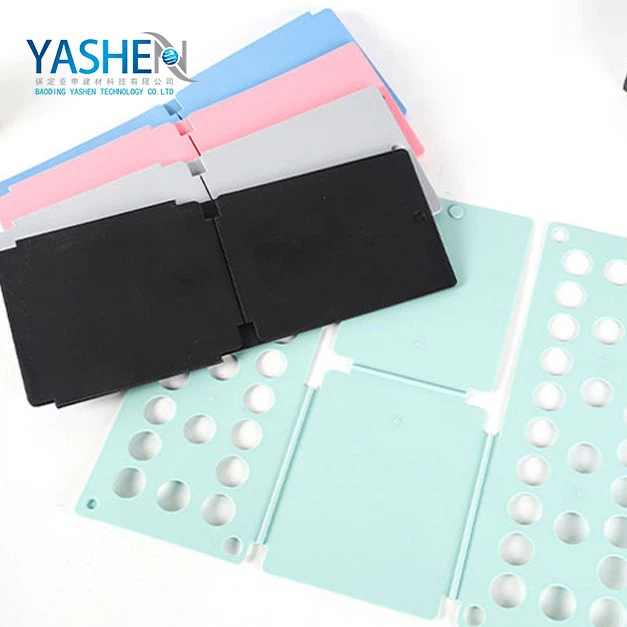
At our company, we offer a wide range of PVC sheets for wall cladding. Check out our Waterproof PVC Plastic Sheet Faux Marble. It looks like real marble but is much more affordable and easier to maintain. We also have Transparent PVC Table Cover which is perfect for protecting your tables while adding a touch of style. And if you're looking for something unique, our Folding Board Flip Fold Clothes Folder is a handy and practical product made from high-quality PVC sheets.
Contact Us for Your PVC Sheet Needs
If you're interested in purchasing PVC sheets for your wall cladding project or any other use, don't hesitate to contact us. We'd be more than happy to help you choose the right products and provide advice on installation. Whether you're a homeowner looking to do a small renovation or a contractor working on a large project, we've got you covered.
Let's work together to make your space look amazing with our top-quality PVC sheets! Reach out to us today and let the transformation begin.
References
- PVC Sheet Installation Guide - General Industry Knowledge
- Manufacturer's Instructions for PVC Sheets and Adhesives