


PVC, or polyvinyl chloride, is one of the most widely used plastics in the world. As a PVC sheet supplier, I've had the privilege of working closely with this versatile material and understanding its unique chemical properties. In this blog post, I'll delve into the chemical characteristics of PVC sheets, which are essential for anyone interested in using them in various applications.
Chemical Composition of PVC Sheets
PVC is a synthetic polymer made from vinyl chloride monomers. The chemical formula of vinyl chloride is C₂H₃Cl, and through a process called polymerization, these monomers link together to form long chains of polyvinyl chloride. The basic structure of PVC consists of a carbon - carbon backbone with chlorine atoms attached to every other carbon atom. This structure gives PVC its distinctive properties.
One of the significant aspects of PVC's chemical composition is the presence of chlorine. Chlorine makes up about 57% of the PVC molecule by weight. This high chlorine content contributes to several key properties of PVC sheets, including fire resistance, chemical resistance, and durability.

Fire Resistance
The high chlorine content in PVC sheets is the primary reason for their excellent fire - resistant properties. When exposed to fire, PVC releases hydrogen chloride gas. This gas dilutes the oxygen around the flame, making it difficult for the fire to spread. Additionally, the hydrogen chloride gas can react with the free radicals in the flame, interrupting the combustion process.
PVC sheets are classified as self - extinguishing materials. This means that once the source of ignition is removed, the PVC sheet will stop burning on its own. This property makes PVC sheets a popular choice in applications where fire safety is a concern, such as in building construction, electrical wiring insulation, and transportation vehicles. For example, in building interiors, PVC sheets can be used for wall cladding, ceiling tiles, and partition walls, providing an extra layer of fire protection. You can explore our Waterproof PVC Plastic Sheet Faux Marble, which also benefits from the fire - resistant properties of PVC.
Chemical Resistance
PVC sheets exhibit remarkable chemical resistance. They are resistant to a wide range of chemicals, including acids, alkalis, salts, and many organic solvents. This resistance is due to the strong carbon - chlorine bonds in the PVC molecule, which are not easily broken by chemical reactions.
In industrial settings, PVC sheets are often used for chemical storage tanks, piping systems, and lining materials. They can withstand the corrosive effects of various chemicals, ensuring the long - term integrity of the equipment. For instance, in a chemical plant, PVC pipes can be used to transport acidic or alkaline solutions without the risk of corrosion. In the laboratory environment, PVC sheets can be used as workbench surfaces, providing a durable and chemical - resistant work area.
However, it's important to note that PVC sheets are not resistant to all chemicals. They can be attacked by some strong solvents, such as ketones and esters. Therefore, when selecting PVC sheets for a specific chemical application, it's crucial to consider the compatibility of the PVC with the chemicals involved.
Durability and Weather Resistance
The chemical structure of PVC also contributes to its durability and weather resistance. PVC sheets are resistant to UV radiation, ozone, and moisture. The carbon - chlorine bonds in PVC are relatively stable, and they can withstand the degradation caused by sunlight and environmental factors.
Outdoor applications of PVC sheets are numerous. They can be used for roofing materials, outdoor signage, and fencing. For example, PVC roofing sheets are lightweight, easy to install, and can last for many years without significant degradation. The weather - resistant properties of PVC sheets make them suitable for use in harsh environments, such as coastal areas where they are exposed to saltwater spray and high humidity.
The moisture resistance of PVC sheets is particularly beneficial. PVC does not absorb water easily, which means it will not swell, rot, or promote the growth of mold and mildew. This makes PVC sheets an ideal choice for applications in wet or humid conditions, such as in bathrooms, kitchens, and basements. Our Crystal PVC Transparent Soft Tablecloth is a great example of a PVC product that benefits from moisture resistance, as it can be easily wiped clean and is not affected by spills.
Thermal Properties
PVC sheets have relatively low thermal conductivity, which means they are good insulators. This property is useful in applications where thermal insulation is required, such as in building construction. PVC sheets can be used as insulation materials in walls, floors, and roofs, helping to reduce heat transfer and energy consumption.
However, PVC has a relatively low heat distortion temperature. When exposed to high temperatures, PVC sheets can start to soften and deform. The heat distortion temperature of PVC can be improved by adding heat stabilizers during the manufacturing process. These stabilizers help to prevent the degradation of the PVC molecule at elevated temperatures.
Flexibility and Rigidity
PVC sheets can be manufactured in both flexible and rigid forms, depending on the additives used during the production process. For flexible PVC sheets, plasticizers are added to the PVC resin. Plasticizers are small molecules that insert themselves between the PVC polymer chains, reducing the intermolecular forces and making the PVC more flexible.
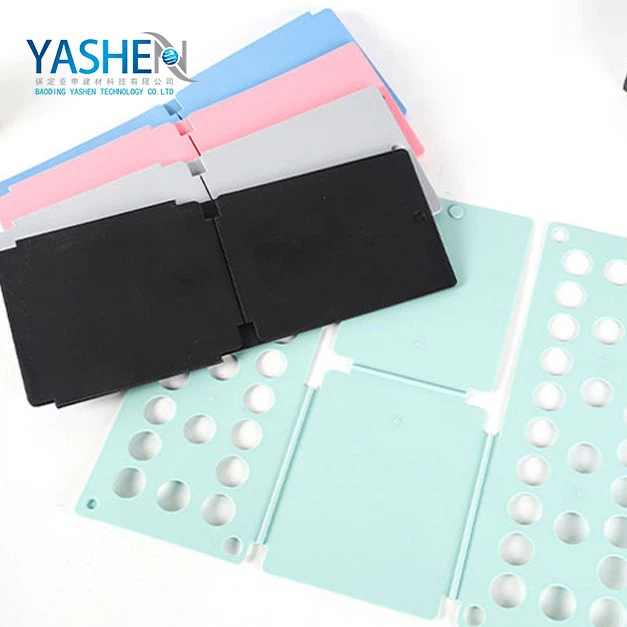
Flexible PVC sheets are commonly used for applications such as packaging, upholstery, and inflatable products. Our Folding Board Flip Fold Clothes Folder is made from flexible PVC, which allows it to be easily folded and stored.
Rigid PVC sheets, on the other hand, are produced without the addition of plasticizers or with only a small amount. Rigid PVC sheets are strong, stiff, and have high mechanical strength. They are used in applications such as window frames, doors, and construction panels.
Conclusion
The chemical properties of PVC sheets, including fire resistance, chemical resistance, durability, weather resistance, thermal properties, and flexibility/rigidity, make them a versatile and valuable material for a wide range of applications. As a PVC sheet supplier, I understand the importance of these properties and how they can benefit our customers.
Whether you are looking for a fire - resistant material for your building project, a chemical - resistant lining for your industrial equipment, or a flexible and moisture - resistant product for your household needs, we have the right PVC sheets for you. If you are interested in learning more about our PVC sheet products or have specific requirements for your project, please don't hesitate to contact us for a detailed discussion. We are committed to providing high - quality PVC sheets and excellent customer service to meet your needs.
References
- "Polyvinyl Chloride (PVC) - Properties, Applications, and Recycling" by PlasticsEurope.
- "Handbook of PVC Technology" by W. V. Titow.
- "The Chemistry and Physics of Polymeric Materials" by James E. Mark.