


Hey there! As a PVC sheet supplier, I've seen my fair share of issues with PVC sheets fading in sunlight. It's a common problem that can really put a damper on the look and longevity of these products. But don't worry, I'm here to share some tips on how to prevent PVC sheets from fading in sunlight.
First off, let's understand why PVC sheets fade in the first place. PVC, or polyvinyl chloride, is a synthetic plastic polymer. When exposed to sunlight, especially the ultraviolet (UV) rays, the chemical structure of PVC can start to break down. This breakdown leads to a change in color, which we see as fading. It's not just an aesthetic issue; it can also weaken the material over time.
Choose High - Quality PVC Sheets
The quality of the PVC sheet you start with makes a huge difference. High - quality PVC sheets are often formulated with UV stabilizers. These stabilizers act as a shield, absorbing and dissipating the UV rays before they can cause damage to the PVC. When you're in the market for PVC sheets, look for ones that are labeled as "UV - resistant" or "UV - stabilized."
For example, our Waterproof Transparent Pvc Table Cloth Sheet is made with high - grade PVC that has excellent UV - stabilizing properties. This means it can withstand sunlight exposure for a longer time without fading.
Use UV - Blocking Coatings
Another great way to protect PVC sheets from sunlight is by applying a UV - blocking coating. These coatings are designed to create an extra layer of protection on the surface of the PVC. They work by reflecting or absorbing the UV rays, preventing them from reaching the PVC material.
There are different types of UV - blocking coatings available in the market. Some are spray - on, while others come in liquid form that you can brush or roll onto the PVC sheet. Make sure to follow the manufacturer's instructions when applying the coating for the best results.
Provide Shade
One of the simplest and most effective ways to prevent PVC sheets from fading is to provide them with shade. If the PVC sheets are used outdoors, such as for a patio cover or a garden fence, you can install a pergola, awning, or shade sail above them. This will reduce the direct sunlight exposure and significantly slow down the fading process.
Even for indoor PVC applications, like a PVC wall panel near a window, you can use curtains or blinds to block the sunlight during the peak hours of the day. This simple step can make a big difference in the lifespan of your PVC sheets.
Regular Cleaning and Maintenance
Keeping your PVC sheets clean is also important for preventing fading. Dirt, dust, and other debris can accumulate on the surface of the PVC, and over time, they can absorb sunlight and generate heat. This heat can accelerate the breakdown of the PVC material and cause it to fade faster.
Use a mild soap and water solution to clean your PVC sheets regularly. Avoid using harsh chemicals or abrasive cleaners, as they can damage the surface of the PVC and make it more susceptible to fading. After cleaning, rinse the sheets thoroughly with clean water and dry them with a soft cloth.
Store Properly
If you have extra PVC sheets that you're not using, it's crucial to store them properly. Store them in a cool, dry place away from direct sunlight. If possible, cover them with a tarp or a protective sheet to prevent any accidental sunlight exposure.
For example, our Waterproof PVC Plastic Sheet Faux Marble should be stored in a climate - controlled environment to maintain its color and quality.
Consider the Installation Location
When installing PVC sheets, carefully consider the location. Avoid placing them in areas that receive intense sunlight for long periods of the day. For instance, if you're installing a PVC fence, choose a side of the yard that gets partial shade.

Also, think about the orientation of the sheets. If possible, install them in a way that they face away from the sun during the hottest part of the day. This can reduce the overall sunlight exposure and help prevent fading.
Use Additives
Some PVC sheets can be treated with additives during the manufacturing process to enhance their UV resistance. These additives can be mixed into the PVC resin before it is formed into sheets. They work by interacting with the PVC molecules to make them more stable against UV radiation.
As a supplier, we offer PVC sheets with different types of additives to meet the specific needs of our customers. If you're interested in PVC sheets with enhanced UV protection, feel free to reach out to us for more information.
Monitor and Replace
Even with all these preventive measures, PVC sheets will still degrade over time. It's important to monitor the condition of your PVC sheets regularly. Look for any signs of fading, discoloration, or cracking. If you notice significant damage, it may be time to replace the sheets.
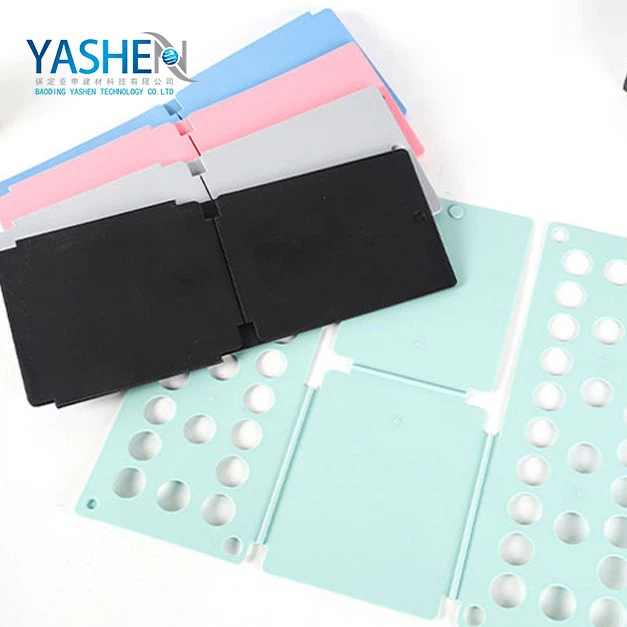
Our Folding Board Flip Fold Clothes Folder is made with high - quality PVC, but like any product, it will need to be replaced after a certain period of use. By keeping an eye on its condition, you can ensure that it always looks its best.
In conclusion, preventing PVC sheets from fading in sunlight requires a combination of choosing the right products, using protective measures, and proper maintenance. By following these tips, you can extend the lifespan of your PVC sheets and keep them looking great for years to come.
If you're interested in purchasing high - quality PVC sheets or have any questions about preventing fading, don't hesitate to contact us. We're here to help you find the best PVC solutions for your needs.
References
- ASTM International. (Year). Standard test methods for evaluating the weathering of plastics.
- Smith, J. (Year). The science of PVC degradation and prevention. Journal of Plastic Materials.
- Plastic Industry Association. (Year). Best practices for PVC product maintenance and protection.