


As a PVC sheet supplier, I understand the importance of scratch resistance in PVC products. Scratches not only affect the aesthetic appeal of PVC sheets but also can compromise their durability and functionality. In this blog post, I'll share some effective strategies on how to make PVC sheets more scratch-resistant.
Understanding the Nature of PVC Sheets
PVC, or polyvinyl chloride, is a versatile plastic material widely used in various industries, from construction to consumer goods. Its popularity stems from its affordability, durability, and ease of processing. However, PVC sheets are prone to scratching, especially in high-traffic areas or when in contact with abrasive materials.
The scratch resistance of PVC sheets depends on several factors, including the formulation of the PVC resin, the thickness of the sheet, and the surface finish. For example, PVC sheets with a higher molecular weight resin tend to be more scratch-resistant than those with a lower molecular weight. Additionally, thicker sheets generally offer better scratch protection than thinner ones.
Surface Treatments
One of the most common ways to enhance the scratch resistance of PVC sheets is through surface treatments. These treatments can create a protective layer on the surface of the sheet, making it more resistant to scratches and abrasion.
Coating
Applying a scratch-resistant coating is a popular method for improving the scratch resistance of PVC sheets. There are several types of coatings available, including polyurethane, acrylic, and epoxy coatings. These coatings can be applied through various techniques, such as spraying, dipping, or roller coating.
Polyurethane coatings are known for their excellent scratch resistance, durability, and chemical resistance. They can provide a hard, protective layer on the surface of the PVC sheet, making it more resistant to scratches and abrasion. Acrylic coatings, on the other hand, offer good optical clarity and UV resistance, making them suitable for applications where aesthetics are important. Epoxy coatings are highly resistant to chemicals and abrasion, making them ideal for industrial applications.
Texturing
Texturing the surface of PVC sheets can also improve their scratch resistance. By creating a rough or patterned surface, the contact area between the sheet and abrasive materials is reduced, minimizing the risk of scratching. Texturing can be achieved through various methods, such as embossing, sandblasting, or chemical etching.
Embossing is a common method for texturing PVC sheets. It involves pressing a pattern onto the surface of the sheet using a heated embossing roller. The pattern can be simple or complex, depending on the desired effect. Sandblasting involves spraying abrasive particles onto the surface of the sheet to create a rough texture. Chemical etching involves using a chemical solution to dissolve the surface of the sheet, creating a textured effect.
Material Selection
Choosing the right PVC resin and additives can also have a significant impact on the scratch resistance of PVC sheets.

High-Quality PVC Resin
Using a high-quality PVC resin is essential for producing scratch-resistant PVC sheets. High-quality resins have a higher molecular weight and better mechanical properties, making them more resistant to scratches and abrasion. When selecting a PVC resin, it's important to consider factors such as the intended application, the required level of scratch resistance, and the processing conditions.
Additives
Adding certain additives to the PVC formulation can also improve its scratch resistance. For example, adding a lubricant can reduce the friction between the sheet and abrasive materials, minimizing the risk of scratching. Anti-scratch additives, such as silica or mica, can also be added to the formulation to improve the scratch resistance of the sheet.
Design Considerations
In addition to surface treatments and material selection, design considerations can also play a role in making PVC sheets more scratch-resistant.
Thickness
As mentioned earlier, thicker PVC sheets generally offer better scratch protection than thinner ones. When designing a product using PVC sheets, it's important to consider the required level of scratch resistance and choose an appropriate thickness. However, it's also important to balance the thickness with other factors, such as cost, weight, and flexibility.
Edge Protection
Protecting the edges of PVC sheets can also help prevent scratching. Edges are often more vulnerable to damage than the flat surface of the sheet, as they are more likely to come into contact with abrasive materials. Adding edge protectors, such as rubber or plastic strips, can help protect the edges of the sheet and prevent scratching.
Maintenance and Care
Proper maintenance and care can also help extend the lifespan of PVC sheets and keep them looking their best.
Cleaning
Regular cleaning is essential for maintaining the scratch resistance of PVC sheets. When cleaning PVC sheets, it's important to use a mild detergent and a soft cloth or sponge. Avoid using abrasive cleaners or scrubbers, as these can scratch the surface of the sheet.
Storage
Proper storage is also important for preventing scratching of PVC sheets. When storing PVC sheets, it's important to keep them in a clean, dry environment and avoid stacking them on top of each other. If stacking is necessary, use a protective layer, such as a cardboard or foam sheet, between each layer to prevent scratching.
Applications of Scratch-Resistant PVC Sheets
Scratch-resistant PVC sheets have a wide range of applications in various industries. Here are some examples:
Construction
In the construction industry, scratch-resistant PVC sheets are used for applications such as wall cladding, ceiling panels, and flooring. These sheets can provide a durable, low-maintenance surface that is resistant to scratches and abrasion, making them ideal for high-traffic areas.
Furniture
Scratch-resistant PVC sheets are also used in the furniture industry for applications such as table tops, cabinet doors, and drawer fronts. These sheets can provide a stylish, durable surface that is resistant to scratches and stains, making them ideal for use in residential and commercial furniture.
Packaging
In the packaging industry, scratch-resistant PVC sheets are used for applications such as blister packs, clamshells, and trays. These sheets can provide a clear, protective barrier that is resistant to scratches and damage, making them ideal for protecting products during shipping and storage.
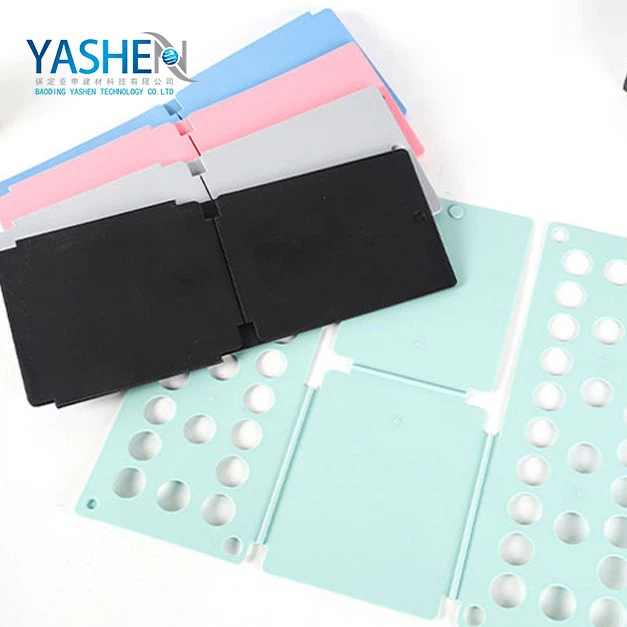
If you're interested in purchasing scratch-resistant PVC sheets for your project, we offer a wide range of products to meet your needs. Check out our Folding Board Flip Fold Clothes Folder, Waterproof PVC Plastic Sheet Faux Marble, and Crystal PVC Transparent Soft Tablecloth. Contact us today to discuss your requirements and start a procurement negotiation.
References
- "Plastics Technology Handbook" by James F. Carley
- "Polyvinyl Chloride (PVC) Handbook" by Willy V. Titow
- "Surface Engineering for Wear Resistance" by David S. Rickerby and Andrew Matthews