


Hey there! As a PVC sheet supplier, I've gotten tons of questions about how to fasten PVC sheets to a metal surface. It's a common challenge, but with the right know - how, it can be a breeze. In this blog, I'll walk you through the whole process, from choosing the right materials to the actual installation steps.
1. Why Fasten PVC Sheets to Metal?
First off, let's talk about why you'd want to do this. PVC sheets are super versatile. They're lightweight, durable, and resistant to moisture and chemicals. When you combine them with a metal surface, you get a strong and functional composite. For example, you might want to use PVC sheets on metal cabinets to give them a smooth, easy - to - clean finish. Or, you could add PVC sheets to metal frames for a more aesthetically pleasing look.
2. Materials You'll Need
Before you start, gather all the necessary materials. Here's what you'll typically need:
- PVC Sheets: Of course, you need the right PVC sheets for the job. We offer a wide range of PVC sheets, like the Crystal PVC Transparent Soft Tablecloth, which is great for applications where you need transparency and flexibility.
- Metal Surface: Make sure the metal surface is clean, dry, and free of rust, paint chips, or any other debris. You might need to sand it down a bit to create a rough surface for better adhesion.
- Adhesive: There are different types of adhesives you can use. Epoxy adhesives are great for a strong, permanent bond. Contact adhesives are also popular because they dry quickly and provide a good hold. Just make sure the adhesive you choose is compatible with both PVC and metal.
- Fasteners (Optional): If you want extra security, you can use mechanical fasteners like screws or rivets. But be careful not to damage the PVC sheets when using them.
- Tools: You'll need basic tools like a utility knife to cut the PVC sheets, a roller to apply pressure when using adhesive, and a drill if you're using fasteners.
3. Preparing the Metal Surface
The key to a successful installation is a properly prepared metal surface. Here's how you can do it:
- Cleaning: Use a degreaser to remove any oil, grease, or dirt from the metal. You can also use a wire brush to scrub away any rust or paint chips. After cleaning, rinse the metal with water and let it dry completely.
- Sanding: Use sandpaper to create a rough surface on the metal. This will help the adhesive bond better. Make sure to sand in one direction to avoid creating scratches that could affect the appearance.
- Priming (Optional): In some cases, you might want to apply a primer to the metal surface. A primer can improve the adhesion of the adhesive and protect the metal from corrosion.
4. Cutting the PVC Sheets
Once the metal surface is ready, it's time to cut the PVC sheets to the right size. Measure the metal surface carefully and mark the PVC sheets accordingly. Use a sharp utility knife to make straight cuts. If you're cutting a large piece, you might want to score the PVC sheet first and then snap it along the score line.
5. Applying the Adhesive
There are two main methods for applying adhesive: the contact adhesive method and the epoxy adhesive method.
Contact Adhesive Method
- Apply the contact adhesive to both the PVC sheet and the metal surface using a brush or a roller. Make sure to apply an even coat.
- Let the adhesive dry for a few minutes until it becomes tacky. You can test it by gently touching the adhesive with your finger.
- Carefully place the PVC sheet on the metal surface, starting from one end and working your way to the other. Use a roller to apply pressure and remove any air bubbles.
Epoxy Adhesive Method
- Mix the epoxy adhesive according to the manufacturer's instructions.
- Apply the epoxy adhesive to the metal surface using a putty knife or a brush.
- Place the PVC sheet on the metal surface and press it down firmly. You can use clamps or weights to hold the PVC sheet in place while the epoxy cures.
6. Using Fasteners (Optional)
If you're using fasteners, here's how to do it:

- Mark the locations where you want to place the fasteners on the PVC sheet and the metal surface.
- Drill holes through the PVC sheet and the metal surface. Make sure the holes are the right size for the fasteners.
- Insert the fasteners and tighten them securely. Be careful not to overtighten, as this can damage the PVC sheet.
7. Finishing Touches
After the PVC sheet is fastened to the metal surface, you can do some finishing touches. Trim any excess PVC sheet using a utility knife. You can also use a sealant to seal the edges of the PVC sheet to prevent moisture from getting in.
8. Maintenance
Once the PVC sheet is installed, it's important to maintain it properly. Clean the PVC sheet regularly with a mild detergent and a soft cloth. Avoid using abrasive cleaners or sharp objects that could scratch the PVC sheet.
9. Other PVC Sheet Products
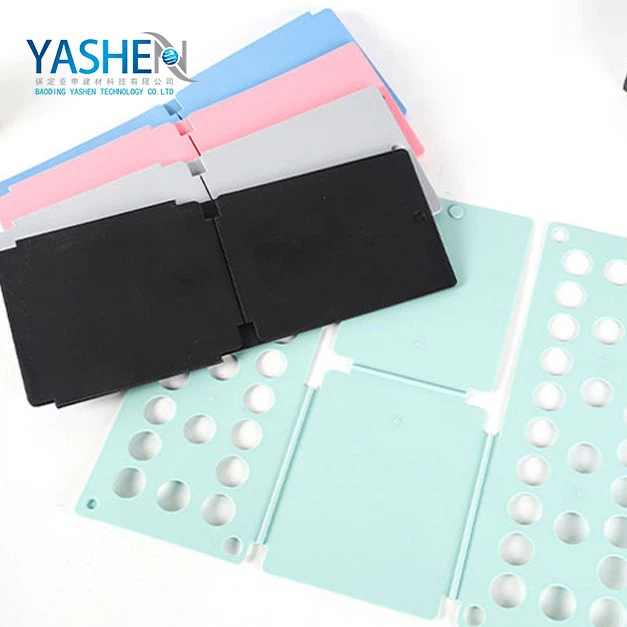
We also offer other great PVC sheet products, like the Folding Board Flip Fold Clothes Folder and the Portable Cloth Folder. These products are made from high - quality PVC sheets and are very practical.
10. Contact Us for Purchasing
If you're interested in our PVC sheet products or have any questions about fastening PVC sheets to a metal surface, don't hesitate to contact us. We're here to help you with your PVC sheet needs and provide you with the best solutions. Whether you're a DIY enthusiast or a professional contractor, we have the right PVC sheets for you.
References
- "PVC Plastics Handbook" - A comprehensive guide on PVC materials and their applications.
- Manufacturer's instructions for adhesives and fasteners used in the process.