


As a PVC sheet supplier, I understand the importance of ensuring the quality of our products. PVC sheets are widely used in various industries, from construction to household items, and their quality can significantly impact the performance and longevity of the end products. In this blog post, I'll share some practical methods on how to check the quality of PVC sheets.
Visual Inspection
The first step in assessing PVC sheet quality is a thorough visual inspection. Start by examining the surface of the sheet. A high - quality PVC sheet should have a smooth and uniform surface. Any visible scratches, bumps, or unevenness can indicate poor manufacturing processes or damage during handling.
Look closely for discoloration. PVC sheets should have a consistent color throughout. If you notice any spots, streaks, or a significant difference in color from one area to another, it could be a sign of impurities in the raw materials or improper mixing during production. For instance, if a clear PVC sheet has yellowish or cloudy patches, it may not meet the required optical standards.
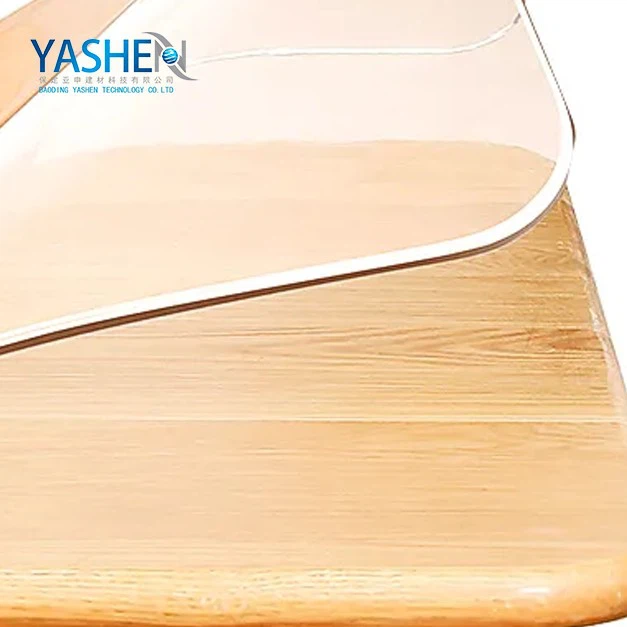
Check the edges of the sheet. They should be straight and cleanly cut. Rough or jagged edges can not only affect the aesthetic appeal but also make the sheet more difficult to install and may pose a safety hazard. Some PVC sheets, like the Crystal PVC Transparent Soft Tablecloth, require a high - quality edge finish for a seamless look on tables.

Thickness Measurement
Accurate thickness is crucial for the performance of PVC sheets. Use a reliable thickness gauge to measure the sheet at multiple points. A consistent thickness across the entire sheet is a good indicator of quality. Deviations in thickness can lead to uneven performance, especially in applications where the sheet needs to bear a load or provide a specific level of protection.
For example, in construction applications, if a PVC sheet is used as a waterproof membrane, inconsistent thickness may result in weak spots where water can penetrate. In the case of Waterproof Transparent Pvc Table Cloth Sheet, a uniform thickness ensures even protection against spills and stains.
Flexibility and Durability Testing
Flexibility is an important characteristic of PVC sheets, especially those used in applications that require bending or shaping. Gently bend the sheet to see how it responds. A good - quality PVC sheet should be flexible without cracking or breaking easily. If the sheet is too brittle, it may not be suitable for applications where it needs to conform to different shapes.
To test durability, you can perform a simple abrasion test. Rub a soft, clean cloth against the surface of the sheet with moderate pressure. A high - quality PVC sheet should resist abrasion and maintain its appearance. If the surface shows signs of scratching or wearing off easily, it may not be durable enough for long - term use. Some PVC sheets, such as those used in Portable Cloth Folder, need to withstand repeated handling and folding without losing their integrity.
Chemical Resistance Testing
Depending on the intended application, PVC sheets may need to resist various chemicals. You can conduct a simple chemical resistance test by applying a small amount of a common chemical (such as a mild detergent or a solvent relevant to the application) to a small, inconspicuous area of the sheet. Leave it for a short period (as specified by relevant industry standards) and then wipe it off.
If the sheet shows no signs of discoloration, swelling, or degradation, it has good chemical resistance. This is particularly important for PVC sheets used in industrial settings or in areas where they may come into contact with chemicals, such as in laboratories or chemical storage facilities.
Fire Resistance Evaluation
Fire resistance is a critical factor, especially in building and construction applications. Check if the PVC sheet meets the relevant fire - safety standards. You can look for certification labels or ask the manufacturer for test reports. A fire - resistant PVC sheet should have a low flammability rating and should not contribute significantly to the spread of fire.
Adhesion and Sealing Test
For PVC sheets that are used in applications where they need to be joined or sealed, such as in roofing or plumbing, adhesion and sealing performance are essential. Test the adhesion of the sheet by trying to peel off any adhesive - backed parts or by checking the integrity of sealed joints. A strong and reliable adhesion ensures that the sheet remains in place and provides a watertight or airtight seal.
Environmental Resistance
PVC sheets may be exposed to various environmental conditions, including sunlight, moisture, and temperature fluctuations. UV resistance is important for outdoor applications. Look for PVC sheets that are formulated to resist UV radiation, as prolonged exposure to sunlight can cause the sheet to become brittle, discolor, or degrade.
Moisture resistance is also crucial, especially in areas with high humidity or where the sheet may come into contact with water. A moisture - resistant PVC sheet will not absorb water, which can prevent mold growth and structural damage. Temperature resistance ensures that the sheet maintains its properties in different temperature ranges, from extreme cold to high heat.
Supplier Reputation and Certification
In addition to conducting these quality checks, it's important to consider the reputation of the PVC sheet supplier. A reliable supplier will have a track record of providing high - quality products and excellent customer service. Look for suppliers who are transparent about their manufacturing processes and who can provide detailed product information and certifications.
Certifications from recognized organizations, such as ISO standards or industry - specific certifications, are a good indication of a supplier's commitment to quality. A supplier with a strong reputation is more likely to stand behind their products and offer support in case of any quality issues.
Conclusion
Checking the quality of PVC sheets is a multi - step process that involves visual inspection, physical testing, and evaluation of various performance characteristics. By using these methods, you can ensure that you are getting high - quality PVC sheets that meet your specific requirements.
If you are in the market for PVC sheets and have any questions or need further assistance in selecting the right product for your application, feel free to reach out to us. We are here to help you make an informed decision and provide you with the best - quality PVC sheets for your projects. Whether you need a Crystal PVC Transparent Soft Tablecloth, a Portable Cloth Folder, or a Waterproof Transparent Pvc Table Cloth Sheet, we have a wide range of options to choose from. Contact us today to start the procurement process and discuss your specific needs.
References
- ASTM International standards for PVC materials
- ISO standards related to plastics and polymers
- Industry reports on PVC sheet manufacturing and quality control