


Hey there! I'm a supplier of PVC sheets, and I often get asked how PVC sheets stack up against other plastic sheets. Well, buckle up because I'm about to break it down for you in a way that's easy to understand.
First off, let's talk about what PVC is. PVC stands for polyvinyl chloride, which is a type of plastic that's been around for a long time. It's made from vinyl chloride monomers, and it's known for being strong, durable, and versatile. PVC sheets come in a variety of thicknesses, colors, and finishes, making them suitable for a wide range of applications.
Now, let's compare PVC sheets to some other popular plastic sheets out there.
PVC Sheets vs. Acrylic Sheets
Acrylic sheets are another common type of plastic sheet. They're known for their clarity, transparency, and high gloss finish. Acrylic is also very strong and impact-resistant, making it a popular choice for applications where visibility and durability are important, like display cases, signage, and aquariums.

However, when it comes to cost, PVC sheets have an edge. Acrylic sheets are generally more expensive than PVC sheets, especially for larger sizes and thicker gauges. PVC sheets offer a more budget-friendly option without sacrificing too much in terms of quality.
In terms of flexibility, PVC sheets are more flexible than acrylic sheets. This makes PVC a better choice for applications where you need to bend or shape the sheet, like in the production of curved displays or custom-shaped products. Acrylic, on the other hand, is more rigid and can crack or break if bent too far.
Another difference is in their chemical resistance. PVC sheets are more resistant to chemicals and solvents than acrylic sheets. This makes PVC a better choice for applications where the sheet will be exposed to harsh chemicals, like in industrial settings or chemical storage areas.
PVC Sheets vs. Polycarbonate Sheets
Polycarbonate sheets are known for their extreme strength and impact resistance. They're often used in applications where safety and security are a top priority, like bulletproof windows, riot shields, and machine guards.
While PVC sheets are also strong and durable, they can't quite match the impact resistance of polycarbonate sheets. Polycarbonate is virtually unbreakable, making it a great choice for high-risk environments. However, this strength comes at a price. Polycarbonate sheets are significantly more expensive than PVC sheets.
In terms of transparency, both PVC and polycarbonate sheets can be made transparent. However, polycarbonate sheets tend to have a higher optical clarity, which means they offer a clearer view. This makes polycarbonate a better choice for applications where visibility is crucial, like in camera lenses or optical devices.
PVC sheets, on the other hand, are more resistant to UV radiation than polycarbonate sheets. Over time, polycarbonate can yellow and become brittle when exposed to sunlight, while PVC maintains its color and integrity. This makes PVC a better choice for outdoor applications, like roofing, siding, and outdoor signage.
PVC Sheets vs. HDPE Sheets
HDPE (high-density polyethylene) sheets are known for their chemical resistance, low friction coefficient, and excellent moisture resistance. They're often used in applications where corrosion and moisture are a concern, like in water tanks, chemical storage containers, and food processing equipment.
When it comes to cost, HDPE sheets are generally more expensive than PVC sheets. PVC offers a more cost-effective solution for many applications without sacrificing too much in terms of performance.
In terms of flexibility, PVC sheets are more flexible than HDPE sheets. This makes PVC a better choice for applications where you need to bend or shape the sheet, like in the production of flexible pipes or custom-shaped products. HDPE, on the other hand, is more rigid and less likely to bend without cracking.
Another difference is in their surface finish. PVC sheets can be made with a smooth, glossy finish or a textured finish, depending on the application. HDPE sheets typically have a more matte finish, which may not be as aesthetically pleasing for some applications.
Applications of PVC Sheets
PVC sheets have a wide range of applications across various industries. Here are some common uses:
- Construction: PVC sheets are used for roofing, siding, window frames, and insulation. They're durable, weather-resistant, and easy to install, making them a popular choice for both residential and commercial construction projects.
- Advertising and Signage: PVC sheets are used to make signs, banners, and displays. They can be printed on easily and come in a variety of colors and finishes, making them a great choice for advertising and promotional materials.
- Furniture and Interior Design: PVC sheets are used to make table covers, wall panels, and furniture components. They're available in a variety of colors and patterns, making them a versatile choice for interior design projects. Check out our Transparent PVC Table Cover for a great example of how PVC can be used in furniture.
- Packaging: PVC sheets are used to make blister packs, clamshells, and other types of packaging. They're strong, lightweight, and can be easily formed into different shapes, making them a popular choice for product packaging.
- Crafts and DIY Projects: PVC sheets are a popular choice for crafts and DIY projects. They can be cut, shaped, and glued easily, making them a great material for creating custom jewelry, home decor, and other handmade items. Our Multi-functional Pvc Foam Sheet is perfect for all sorts of creative projects.
- Industrial Applications: PVC sheets are used in a variety of industrial applications, such as chemical storage tanks, machine guards, and conveyor belts. They're resistant to chemicals, abrasion, and impact, making them a reliable choice for industrial environments.
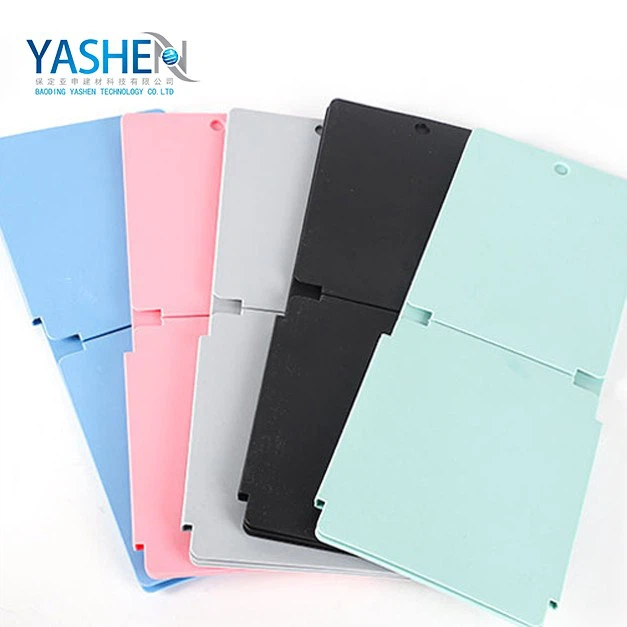
- Clothing and Textiles: PVC sheets are used to make folding boards for clothes, like our Folding Board Flip Fold Clothes Folder. They're lightweight, durable, and easy to clean, making them a practical choice for the clothing industry.
Why Choose Our PVC Sheets
As a PVC sheet supplier, I'm proud to offer high-quality PVC sheets at competitive prices. Here are some reasons why you should choose our products:
- Quality Assurance: We use only the best raw materials and manufacturing processes to ensure that our PVC sheets meet the highest quality standards. Our products are tested rigorously to ensure they're strong, durable, and reliable.
- Customization Options: We understand that every customer has unique needs, so we offer a wide range of customization options. We can cut our PVC sheets to any size, shape, or thickness you need, and we can also print on them with your logo or design.
- Fast Delivery: We know that time is of the essence, so we strive to deliver our products as quickly as possible. We have a large inventory of PVC sheets in stock, so we can usually ship your order within a few days.
- Excellent Customer Service: Our team of experts is always available to answer your questions and provide you with the support you need. We're committed to providing you with the best possible customer experience, from the moment you place your order to the moment you receive your product.
If you're interested in learning more about our PVC sheets or have any questions about how they compare to other plastic sheets, don't hesitate to reach out. We'd love to discuss your specific needs and help you find the perfect PVC sheet solution for your project. Whether you're a small business owner, a DIY enthusiast, or a large corporation, we have the products and expertise to meet your needs. Contact us today to start the conversation and get a quote for your next project.
References
- "Plastics Technology Handbook" by Myer Kutz
- "Polyvinyl Chloride (PVC) - Properties, Applications, and Recycling" by the American Chemistry Council
- "Comparison of Plastic Materials" by the Society of Plastics Engineers