


Can PVC Sheets be used in radiation - prone areas?
As a PVC sheet supplier, I've received numerous inquiries regarding the suitability of PVC sheets for radiation - prone areas. This question is of great significance, especially in industries where radiation is a constant concern, such as nuclear power plants, medical facilities, and some research laboratories. In this blog, I'll delve into the properties of PVC sheets and analyze whether they can be effectively used in these areas.
Understanding PVC Sheets
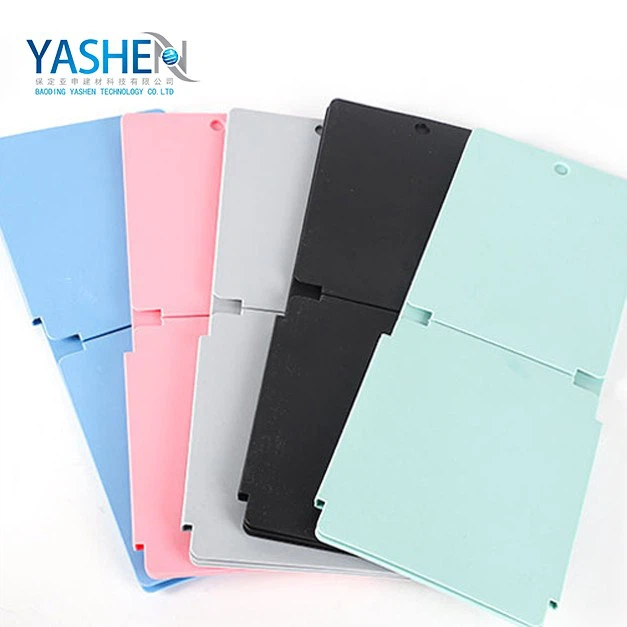
PVC, or polyvinyl chloride, is a widely used synthetic plastic polymer. It is known for its versatility, durability, and relatively low cost. PVC sheets come in various forms, including rigid and flexible types, and are used in a multitude of applications, from construction and automotive to household items. For instance, our Waterproof Transparent Pvc Table Cloth Sheet is a popular flexible PVC product, often used in kitchens and dining areas for its waterproof and transparent properties. The Folding Board Flip Fold Clothes Folder is made of rigid PVC, which provides the necessary strength and stability for its function.
Radiation and Its Effects
Radiation can be classified into different types, such as ionizing radiation (e.g., alpha, beta, gamma rays, and X - rays) and non - ionizing radiation (e.g., ultraviolet, infrared, and radio waves). Ionizing radiation is particularly concerning as it has enough energy to remove tightly bound electrons from atoms, creating ions. This can cause damage to living cells and DNA, leading to various health problems, including cancer, radiation sickness, and genetic mutations.
In radiation - prone areas, materials used need to have certain properties to protect against the harmful effects of radiation. These properties may include radiation absorption, shielding, and resistance to radiation - induced degradation.
Can PVC Sheets Provide Radiation Protection?
When it comes to radiation protection, PVC sheets have some limitations. PVC is not a high - density material compared to metals like lead, which is commonly used for radiation shielding. Lead has a high atomic number, which means it can effectively absorb and scatter ionizing radiation. PVC, on the other hand, has a relatively low atomic number and density, so its ability to shield ionizing radiation is limited.

However, PVC sheets can still play a role in some radiation - related scenarios. For non - ionizing radiation, such as ultraviolet (UV) radiation, PVC can offer some protection. Some PVC sheets are formulated with UV stabilizers, which can prevent the degradation of the material caused by long - term exposure to UV rays. This makes them suitable for outdoor applications where UV radiation is a concern.
In addition, in some low - level radiation environments, PVC sheets can be used as a secondary barrier or for non - critical areas. For example, in a medical facility, PVC sheets can be used to line the walls of a room where the radiation levels are relatively low, such as a waiting area near an X - ray room. They can also be used to cover equipment or surfaces to prevent contamination from radioactive particles.
Resistance to Radiation - Induced Degradation
Another important factor to consider is the resistance of PVC sheets to radiation - induced degradation. Prolonged exposure to radiation can cause changes in the chemical structure of PVC, leading to embrittlement, discoloration, and a decrease in mechanical properties. However, the degree of degradation depends on the type and intensity of radiation, as well as the formulation of the PVC sheet.
Some PVC sheets are formulated with additives that can improve their radiation resistance. These additives can scavenge free radicals generated by radiation, preventing them from causing damage to the polymer chains. By carefully selecting the right PVC formulation, it is possible to minimize the effects of radiation - induced degradation and extend the service life of the PVC sheets in radiation - prone areas.
Applications of PVC Sheets in Radiation - Prone Areas
Despite their limitations in radiation shielding, PVC sheets have several applications in radiation - prone areas:
- Containment and Protection: PVC sheets can be used to create barriers to contain radioactive materials or prevent the spread of radioactive contamination. For example, in a nuclear power plant, PVC sheets can be used to line storage containers or to cover floors and walls in areas where radioactive spills may occur.
- Equipment Covers: They can be used to cover sensitive equipment in radiation - prone areas to protect it from dust, moisture, and minor radiation exposure. Our Crystal PVC Transparent Soft Tablecloth can be adapted for such purposes, providing a transparent and flexible cover that allows for easy inspection of the equipment.
- Visual Barriers: In medical facilities, PVC sheets can be used as visual barriers between patients and radiation - emitting equipment. They can provide a sense of privacy while still allowing medical staff to monitor the patients.
Conclusion
In conclusion, while PVC sheets are not a substitute for high - performance radiation shielding materials like lead, they can still have a place in radiation - prone areas. Their versatility, cost - effectiveness, and relative ease of use make them suitable for certain applications, especially in low - level radiation environments or as secondary barriers.
If you are considering using PVC sheets in a radiation - prone area, it is important to consult with a radiation protection expert to determine the most appropriate type of PVC sheet and its installation method. As a PVC sheet supplier, we are committed to providing high - quality products and technical support to meet your specific needs.
If you are interested in purchasing PVC sheets for your radiation - related projects or have any questions about our products, please feel free to contact us for further discussion and procurement negotiations.
References
- "Radiation Protection: Principles and Practice" by John E. Moulder.
- "Polyvinyl Chloride (PVC) Handbook" edited by Charles A. Daniels.
- "The Effects of Radiation on Polymers" by B. D. Jenkins and A. C. Robertson.