


Transparent acrylic plastic sheet is a material widely used in construction, manufacturing, automotive, healthcare and many other industries. It is known for its translucent appearance, high durability, and resistance to impact, chemicals and weathering.
Acrylic, also known as polymethyl methacrylate or PMMA, was first developed in the 1920s as an alternative to traditional glass. Its main advantages are that it is lighter, more impact-resistant and easier to shape than glass. Acrylic is made through a polymerization process in which monomers (small molecules) are linked together to form long chains. The monomers used in acrylic are derived from petroleum products, which are abundant and relatively cheap.
There are two main methods for producing acrylic: cell casting and extrusion. Cell casting involves pouring liquid acrylic into a mold and allowing it to solidify, while extrusion involves pushing molten acrylic through a mold to form a continuous sheet. Both methods produce a clear, transparent material that can be cut, drilled, bent and molded into a variety of shapes and sizes.
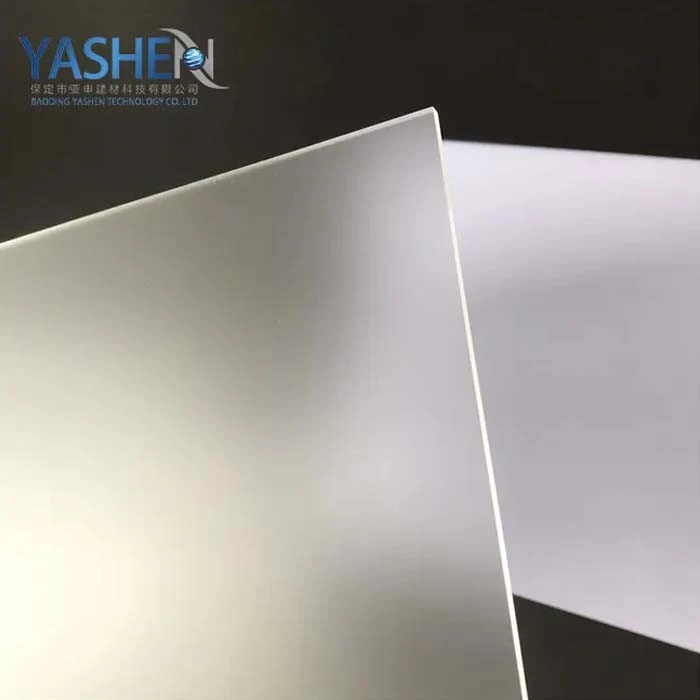
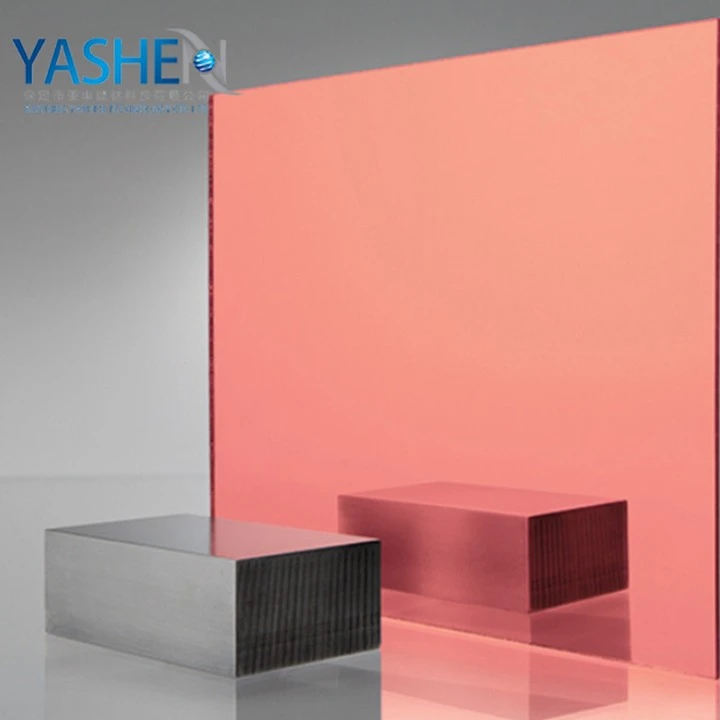
Transparent acrylic plastic sheet has many key properties that make it suitable for a wide range of applications. It has excellent optical clarity, meaning it allows light to pass through with minimal distortion. This makes it ideal for windows, skylights, and other applications where visual clarity is important. In addition, acrylic is highly impact- and abrasion-resistant, meaning it can withstand frequent use and harsh environments without cracking or breaking. It's also relatively easy to clean and maintain, making it a popular choice for healthcare and food service applications.
In addition, clear acrylic plastic sheets also have advantages such as chemical resistance, strength and durability, and versatile materials. Although clear acrylic plastic sheets have many advantages, it is not without limitations. It is not as scratch-resistant as glass and can be damaged by harsh chemicals or cleaners. It is also not as heat-resistant as some other plastics and can melt or deform at high temperatures. Finally, it is not as hard as some other materials and can easily bend or flex under heavy loads.


