


introducation
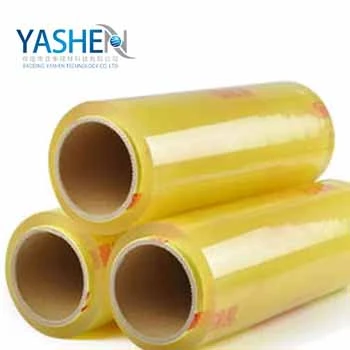
PVC (Polyvinyl chloride) cling film
is a versatile and widely used type of plastic wrap specially designed to preserve and protect fresh food, fruits, vegetables, and leftovers.
It is an excellent substitute for conventional storage options like tin foil, plastic containers, or glass jars. The PVC cling film provides a perfect seal that keeps the food fresh and hygienic for a longer time. It is a popular kitchen item globally and is widely accepted by households, supermarkets, hotels, and restaurants, among others. This article discusses the application range and precautions associated with PVC cling film.
application range
-
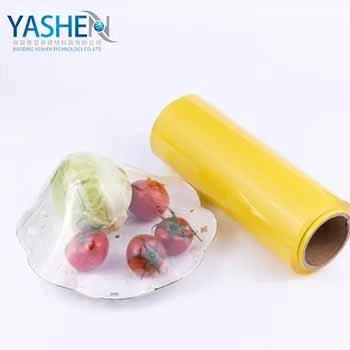
Food Preservation:is mainly used to wrap and preserve food, fruits, and vegetables. It helps to keep the food fresh for an extended period, maintain the nutritional value, and prevent bacterial growth and moisture retention. Additionally, its transparent appearance enables us to identify the food quickly, making it a convenient option for home cooking.
-
Leftovers:PVC cling also works well in storing leftover meals. It provides an airtight seal that prevents food odors and flavors from mingling with other foods in the fridge. Moreover, it helps to reduce food waste by keeping leftovers fresh and safe for subsequent meals.
-
Bakery Items:The cling film's excellent sealing properties make it an ideal option for bakery items like cakes, bread, cookies, and pastries. It helps to keep the product fresh for a more extended period and enhances presentation by highlighting it.
-
Marinating:PVC cling film is also suitable for marinating meat, fish, and poultry products. The cling film helps to prevent the marinade juices from spilling and makes it easier to season food evenly before cooking.
-
Presentation:The PVC cling film's transparency makes it an excellent option to showcase food presentations, especially in the hospitality industry. Chefs can use the cling film to wrap food items like seafood to highlight its freshness and quality, making it appealing to their clients.

Precautions
-
Avoid Direct Contact with Hot Foods:PVC cling film should not come into direct contact with hot foods and drinks as it may release toxic substances that can contaminate the food. Therefore, it is essential to wait for the food items to cool down to room temperature before wrapping with the cling film. Similarly, users must ensure that the cling film does not come into contact with sharp objects like knives that could puncture it.
-
Avoid Using Cling Film in Microwave:PVC cling film should not be used in the microwave as it may release toxic chemicals that can contaminate the food. Users should opt for microwave-safe cling film or use alternative storage options like glass, ceramic, or safe plastic containers.

-
Avoid Reusing the Cling Film:PVC cling film is designed for single-use only and should be disposed of after use. Reusing the cling film can lead to the propagation of disease-causing bacteria on the food, leading to foodborne illnesses.
-
Store PVC Cling Film Properly:PVC cling film should be kept in a cool, dry place away from direct sunlight and moisture. Exposure to high temperatures and humidity can damage the cling film, making it less effective for food preservation.

conclusion
In conclusion, PVC cling film is a versatile and practical storage option for food preservation, leftovers, baking items, marinating, and presentation purposes. Despite its versatile characteristics, users must take precautions when handling and storing the cling film to ensure food safety and quality. By following the precautions outlined above, PVC cling film can serve as an effective storage option for various food products, making it a useful item in the kitchen or hospitality industry.


