


Cutting PVC sheets without cracking is a skill that many DIY enthusiasts and professionals alike need to master. As a PVC sheet supplier, I've seen firsthand the challenges that come with this task. In this blog post, I'll share some valuable tips and techniques to help you achieve clean, crack - free cuts on PVC sheets.
Understanding PVC Sheets
Before we dive into the cutting process, it's essential to understand the nature of PVC sheets. PVC, or polyvinyl chloride, is a versatile plastic material known for its durability, water - resistance, and affordability. There are different types of PVC sheets, such as the Waterproof PVC Plastic Sheet Faux Marble, which mimics the look of real marble and is often used in interior decoration, and the Multi - functional Pvc Foam Sheet, which has various applications due to its lightweight and insulating properties.
PVC sheets can vary in thickness, hardness, and flexibility. Thicker sheets are generally more rigid and may require different cutting methods compared to thinner, more flexible ones. Understanding the specific characteristics of the PVC sheet you're working with is the first step in ensuring a successful cut.
Tools Required
The right tools are crucial for cutting PVC sheets without cracking. Here are some of the essential tools you'll need:
Utility Knife
A sharp utility knife is one of the most common tools for cutting thin PVC sheets. It's ideal for making straight cuts on sheets up to 1/8 inch thick. Make sure to use a fresh blade to ensure a clean cut.
Jigsaw
For more complex cuts or thicker PVC sheets (up to 1/2 inch thick), a jigsaw is a great option. You'll need to use a fine - tooth blade designed for cutting plastic to minimize chipping and cracking.

Circular Saw
A circular saw can be used for cutting larger PVC sheets. Similar to a jigsaw, you should use a blade specifically designed for cutting plastic. This tool is suitable for cutting sheets up to 3/4 inch thick.
Band Saw
If you need to make long, straight cuts on thick PVC sheets, a band saw is a good choice. It provides a smooth, continuous cut and is less likely to cause cracking compared to other saws.
Clamps
Clamps are essential for securing the PVC sheet in place while you're cutting. This helps prevent the sheet from moving, which can lead to uneven cuts and cracking.
Pre - cutting Preparation
Proper preparation before cutting can significantly reduce the risk of cracking. Here's what you need to do:
Measure and Mark
Use a measuring tape and a straightedge to measure and mark the area you want to cut on the PVC sheet. Make sure your measurements are accurate to ensure a precise cut. You can use a pencil or a marker to make the marks.
Secure the Sheet
Use clamps to secure the PVC sheet to a stable work surface. Make sure the sheet is flat and there are no gaps or uneven areas under it. This will prevent the sheet from vibrating or moving during the cutting process.
Score the Sheet (for Utility Knife Cuts)
If you're using a utility knife to cut a thin PVC sheet, it's a good idea to score the sheet first. Run the utility knife along the marked line several times to create a deep score. This will make it easier to snap the sheet along the score line without cracking.
Cutting Techniques
Now that you have the right tools and have prepared the sheet, it's time to start cutting. Here are some techniques for different tools:
Using a Utility Knife
- Hold the utility knife at a 45 - degree angle to the PVC sheet.
- Apply firm, even pressure as you run the knife along the scored line.
- Make several passes with the knife to deepen the cut.
- Once the cut is deep enough, place the scored line over the edge of the work surface and gently apply pressure to snap the sheet along the score line.
Using a Jigsaw
- Set the jigsaw to a slow speed to prevent the blade from overheating and causing the PVC to melt.
- Start the jigsaw and slowly guide it along the marked line. Keep the saw blade perpendicular to the sheet to ensure a straight cut.
- Apply light pressure and let the saw do the work. Avoid forcing the saw through the PVC, as this can cause cracking.
Using a Circular Saw
- Set the circular saw blade to the appropriate depth for the thickness of the PVC sheet.
- Make sure the saw is running at a slow speed.
- Start the saw and slowly guide it along the marked line. Keep the saw base flat on the sheet to prevent it from tipping and causing cracking.
Using a Band Saw
- Adjust the band saw blade tension according to the thickness of the PVC sheet.
- Start the band saw and slowly feed the PVC sheet into the blade. Keep the sheet flat against the saw table and guide it steadily through the blade.
Post - cutting Finishing
After cutting the PVC sheet, you may need to do some finishing work to smooth the edges and remove any rough spots. Here are some methods for finishing:
Sanding
Use fine - grit sandpaper to sand the cut edges of the PVC sheet. This will smooth out any rough edges and remove any burrs or chips. Start with a medium - grit sandpaper and then finish with a fine - grit one for a smooth finish.
File
A file can also be used to smooth the edges of the PVC sheet. It's especially useful for removing small burrs and shaping the edges.
Troubleshooting
Even with the best techniques, you may encounter some issues while cutting PVC sheets. Here are some common problems and how to solve them:
Cracking
If the PVC sheet cracks during the cutting process, it could be due to a dull blade, improper cutting speed, or excessive pressure. Make sure your blade is sharp and adjust the cutting speed and pressure accordingly.
Chipping
Chipping can occur when the saw blade is not designed for cutting plastic or when the sheet is not properly secured. Use a fine - tooth blade designed for cutting plastic and make sure the sheet is firmly clamped in place.
Melting
Melting can happen if the cutting speed is too high or if the blade is not dissipating heat properly. Reduce the cutting speed and make sure the blade is designed to cut plastic.
Conclusion
Cutting PVC sheets without cracking requires the right tools, proper preparation, and the correct cutting techniques. By understanding the characteristics of the PVC sheet you're working with, using the appropriate tools, and following the steps outlined in this blog post, you can achieve clean, crack - free cuts.
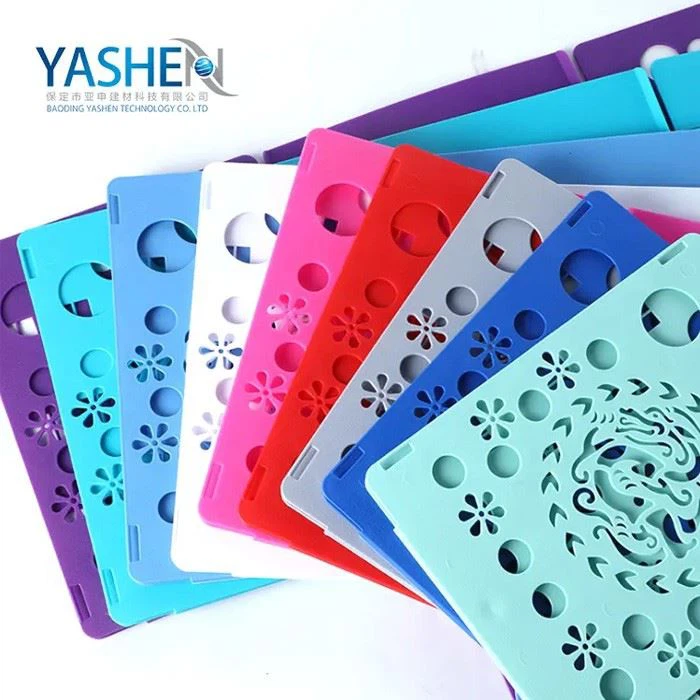
If you're in the market for high - quality PVC sheets, we offer a wide range of products, including the Waterproof PVC Plastic Sheet Faux Marble and the Multi - functional Pvc Foam Sheet. We also have the Portable Cloth Folder made from PVC, which is a great addition to your storage solutions.
If you have any questions or would like to discuss your PVC sheet requirements, please don't hesitate to contact us. We're here to help you find the right products and provide you with the support you need for your projects.
References
- "Plastic Materials and Processes: A Concise Encyclopedia" by Charles A. Harper
- "DIY Projects with PVC: 50+ Creative Ideas" by DIY Enthusiast Press