


Hey there! As a PVC sheet supplier, I've seen firsthand how crucial it is to create different textures on PVC sheets. Whether you're an artist looking to add some flair to your project or a business in need of unique packaging materials, understanding how to manipulate PVC sheet textures can take your work to the next level. In this post, I'll share some tips and techniques on how to create various textures on PVC sheets.
Why Texture Matters
Before we dive into the how-tos, let's talk about why texture is so important. Texture can add depth, visual interest, and tactile appeal to your PVC sheets. It can make them stand out from the crowd, making your products more attractive and memorable. For example, a textured PVC sheet used in packaging can create a sense of luxury and quality, encouraging customers to pick up your product. In art and design, texture can evoke emotions and tell a story, adding a new dimension to your creative work.
Types of Textures You Can Create
There are several types of textures you can achieve on PVC sheets, each with its own unique look and feel. Here are some of the most popular ones:
Matte Texture
A matte texture gives the PVC sheet a non-reflective, smooth finish. It's great for creating a sophisticated, understated look. Matte PVC sheets are often used in signage, display boards, and interior design applications where glare and reflections need to be minimized.

Glossy Texture
On the other end of the spectrum, a glossy texture provides a shiny, reflective surface. Glossy PVC sheets are eye-catching and can make colors appear more vibrant. They're commonly used in packaging, advertising, and decorative items to add a touch of glamour.
Embossed Texture
Embossed textures involve creating raised patterns or designs on the surface of the PVC sheet. This can range from simple geometric shapes to intricate floral patterns. Embossed PVC sheets are used in a variety of applications, from wallcoverings to greeting cards, as they add a three-dimensional effect and a tactile experience.
Suede-like Texture
Suede-like textures give the PVC sheet a soft, velvety feel. They mimic the texture of real suede, offering a luxurious and elegant look. Suede-like PVC sheets are often used in fashion accessories, upholstery, and automotive interiors.
Techniques for Creating Textures
Heat Pressing
One of the most common methods for creating textures on PVC sheets is heat pressing. This involves using a heat press machine to apply heat and pressure to the PVC sheet, along with a textured surface or mold. The heat softens the PVC, allowing it to take on the shape of the texture.
To do this, first, choose a textured surface or mold that has the pattern you want to achieve. This could be a piece of textured fabric, a silicone mold, or a metal plate with a engraved design. Place the PVC sheet on top of the textured surface, and then cover it with a piece of release paper to prevent the PVC from sticking to the heat press. Next, set the heat press to the appropriate temperature and pressure for the type of PVC sheet you're using. Press the sheet for the recommended amount of time, usually a few seconds to a few minutes, depending on the thickness and type of PVC. Once the time is up, remove the sheet from the heat press and let it cool. The PVC sheet should now have the texture of the surface it was pressed against.
Chemical Etching
Chemical etching is another technique for creating textures on PVC sheets. This involves using a chemical solution to dissolve or remove part of the PVC surface, creating a textured effect.
To start, you'll need to choose a chemical solution that is suitable for etching PVC. One common option is a solution of hydrochloric acid and water. However, it's important to note that chemical etching can be dangerous, so it should be done in a well-ventilated area, and you should wear protective gloves and goggles. First, clean the PVC sheet thoroughly to remove any dirt or grease. Then, apply a resist material to the areas of the sheet that you don't want to be etched. This could be a vinyl stencil or a layer of masking tape. Next, dip the PVC sheet into the chemical solution for a specific amount of time, depending on the desired depth of the texture. Be sure to monitor the process closely and remove the sheet from the solution when the texture is to your liking. Rinse the sheet thoroughly with water to neutralize the chemical and remove any residue.
Sandblasting
Sandblasting is a technique that uses high-pressure air to propel abrasive particles at the PVC sheet, creating a rough or textured surface.
To use this method, you'll need a sandblasting machine, which can be rented or purchased from a hardware store. First, set up a sandblasting booth or area to contain the abrasive particles. Place the PVC sheet in the booth and secure it in place. Next, select the appropriate abrasive material for the texture you want to achieve. Common options include sand, glass beads, or aluminum oxide. Adjust the pressure and flow rate of the sandblasting machine according to the thickness and type of PVC sheet. Then, start the machine and direct the abrasive particles at the PVC sheet, moving the nozzle in a consistent pattern. Keep in mind that sandblasting can be a messy process, and it may require some practice to achieve the desired texture.
Our PVC Sheet Products
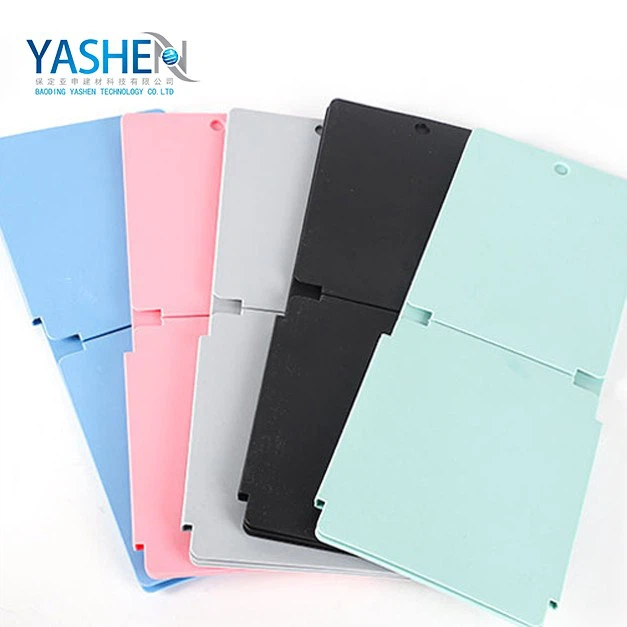
At our company, we offer a wide range of PVC sheets that are perfect for creating different textures. For example, our Folding Board Flip Fold Clothes Folder is made from high-quality PVC sheets that can be easily textured using the techniques mentioned above. Its smooth surface provides a great base for heat pressing, chemical etching, or sandblasting.
Our Clear PVC Tablecloth Table Protector is another excellent option. The clear and flexible PVC material allows you to see the texture clearly, making it ideal for decorative applications. You can add a matte or glossy finish, or even emboss it with a unique pattern to make it more eye-catching.
If you're looking for something more rigid, our Rigid UV PVC Christmas Tree Film is a great choice. The rigid nature of the PVC sheet makes it suitable for creating bold and intricate textures. You can use heat pressing to emboss festive patterns on it, adding a special touch to your Christmas decorations.
Contact Us for Procurement
If you're interested in purchasing our PVC sheets for your texture creation projects, we'd love to hear from you. Whether you have a specific texture in mind or need help choosing the right PVC sheet for your needs, our team of experts is here to assist you. We offer competitive prices, high-quality products, and excellent customer service.
To get started, simply reach out to us and let us know your requirements. We'll be happy to provide you with a quote and discuss your options. Don't miss out on the opportunity to bring your creative ideas to life with our PVC sheets!
References
- "PVC Sheet Manufacturing and Applications" - A Handbook on PVC Technology
- "Texturing Techniques for Plastic Materials" - Journal of Plastic Engineering
Thanks for reading! I hope this post has given you some useful insights on how to create different textures on PVC sheets. If you have any questions or comments, feel free to leave them below.