


When it comes to the world of PVC sheets, one of the most crucial decisions you'll face is choosing the right surface finish. As a seasoned PVC sheet supplier, I've witnessed firsthand how the surface finish can significantly impact the functionality, aesthetics, and durability of the final product. In this blog post, I'll share some insights on how to select the perfect surface finish for your PVC sheets, taking into account various factors and applications.
Understanding the Basics of Surface Finishes
Before diving into the selection process, it's essential to understand the different types of surface finishes available for PVC sheets. The surface finish refers to the texture, appearance, and properties of the outer layer of the PVC sheet. Common surface finishes include glossy, matte, textured, and embossed.
- Glossy Finish: A glossy finish provides a smooth, shiny surface that reflects light, giving the PVC sheet a sleek and modern look. It is easy to clean and maintain, making it suitable for applications where hygiene and aesthetics are important, such as display cases, countertops, and signage. However, a glossy finish may show fingerprints and scratches more easily than other finishes.
- Matte Finish: A matte finish has a non-reflective, dull appearance that reduces glare and provides a subtle, elegant look. It is more resistant to fingerprints and scratches than a glossy finish, making it ideal for applications where durability and a low-key appearance are desired, such as wall cladding, furniture, and automotive interiors.
- Textured Finish: A textured finish adds a three-dimensional effect to the PVC sheet, creating a tactile surface with various patterns and designs. It can enhance the grip of the sheet, making it suitable for applications where slip resistance is important, such as flooring, stair treads, and industrial work surfaces. Textured finishes can also hide minor imperfections and scratches, giving the sheet a more rugged and durable look.
- Embossed Finish: An embossed finish is similar to a textured finish but is created by pressing a pattern or design onto the surface of the PVC sheet using a mold. It can provide a more detailed and precise pattern than a textured finish, making it suitable for applications where a high level of visual appeal is required, such as decorative panels, packaging, and promotional materials.
Factors to Consider When Choosing a Surface Finish
Now that you have a basic understanding of the different types of surface finishes, let's explore the factors you should consider when selecting the right finish for your PVC sheets.
1. Application
The intended application of the PVC sheet is one of the most important factors to consider when choosing a surface finish. Different applications require different properties and characteristics, so it's essential to select a finish that meets the specific requirements of your project.
- Indoor Applications: For indoor applications, such as wall cladding, furniture, and signage, aesthetics are often a key consideration. A glossy or matte finish can provide a sleek and modern look, while a textured or embossed finish can add visual interest and depth. Hygiene and ease of cleaning may also be important factors, especially in high-traffic areas or areas where food is prepared.
- Outdoor Applications: Outdoor applications, such as roofing, siding, and fencing, require a surface finish that can withstand exposure to the elements, including sunlight, rain, wind, and temperature fluctuations. A matte or textured finish can help to reduce the visibility of scratches and fading, while a UV-resistant coating can protect the PVC sheet from damage caused by the sun's rays.
- Industrial Applications: Industrial applications, such as flooring, conveyor belts, and machine guards, require a surface finish that is durable, resistant to wear and tear, and provides good traction. A textured or embossed finish can enhance the grip of the sheet, reducing the risk of slips and falls. Chemical resistance may also be important, depending on the type of chemicals used in the industrial environment.
2. Aesthetics
The appearance of the PVC sheet is another important factor to consider when choosing a surface finish. The finish you select should complement the overall design and style of your project, as well as the surrounding environment.
- Color and Contrast: The color and contrast of the surface finish can have a significant impact on the visual appeal of the PVC sheet. A glossy finish can enhance the vibrancy and saturation of the color, while a matte finish can provide a more muted and subtle look. Consider the color scheme of your project and choose a finish that complements or contrasts with the surrounding colors.
- Pattern and Design: The pattern and design of the surface finish can add visual interest and uniqueness to the PVC sheet. A textured or embossed finish can create a variety of patterns and designs, such as wood grain, stone texture, or geometric shapes. Choose a pattern and design that suits the style and theme of your project.
- Lighting Conditions: The lighting conditions in the area where the PVC sheet will be installed can also affect the appearance of the surface finish. A glossy finish may reflect light more strongly than a matte finish, creating glare and hotspots in certain lighting conditions. Consider the lighting conditions in the area and choose a finish that looks good under the available light.
3. Durability
The durability of the PVC sheet is an important consideration, especially for applications where the sheet will be exposed to wear and tear, scratches, and other forms of damage. The surface finish you select should be able to withstand the expected level of use and abuse without losing its appearance or functionality.
- Scratch Resistance: A scratch-resistant surface finish can help to protect the PVC sheet from damage caused by scratches and abrasions. A matte or textured finish is generally more scratch-resistant than a glossy finish, as it can hide minor scratches and imperfections. Consider the level of traffic and use in the area where the PVC sheet will be installed and choose a finish that provides adequate scratch resistance.
- Chemical Resistance: If the PVC sheet will be exposed to chemicals, such as cleaning agents, solvents, or acids, it's important to choose a surface finish that is resistant to chemical damage. A chemical-resistant finish can help to prevent the sheet from becoming discolored, degraded, or damaged by the chemicals. Consider the type of chemicals that the sheet will be exposed to and choose a finish that provides adequate chemical resistance.
- Weather Resistance: For outdoor applications, the PVC sheet should have a weather-resistant surface finish that can withstand exposure to the elements, including sunlight, rain, wind, and temperature fluctuations. A UV-resistant coating can protect the sheet from damage caused by the sun's rays, while a water-resistant finish can prevent the sheet from becoming waterlogged and damaged. Consider the climate and weather conditions in the area where the PVC sheet will be installed and choose a finish that provides adequate weather resistance.
4. Cost
The cost of the surface finish is another important factor to consider, especially for large-scale projects or applications where cost is a major concern. The cost of the finish can vary depending on the type of finish, the quality of the materials, and the complexity of the manufacturing process.
- Type of Finish: Different types of surface finishes have different costs. A glossy finish is generally less expensive than a matte or textured finish, as it is easier to produce. An embossed finish can be more expensive than other finishes, as it requires a specialized manufacturing process. Consider the budget for your project and choose a finish that provides the best value for money.
- Quality of Materials: The quality of the materials used in the surface finish can also affect the cost. Higher-quality materials may provide better durability, performance, and appearance, but they may also be more expensive. Consider the specific requirements of your project and choose a finish that uses high-quality materials without exceeding your budget.
- Manufacturing Process: The complexity of the manufacturing process can also affect the cost of the surface finish. A finish that requires a specialized manufacturing process, such as embossing or coating, may be more expensive than a finish that can be produced using a standard manufacturing process. Consider the available manufacturing options and choose a finish that can be produced using a cost-effective manufacturing process.
Examples of Surface Finishes for Different Applications
To help you better understand how to choose the right surface finish for your PVC sheets, let's look at some examples of surface finishes for different applications.
1. Transparent PVC Table Cover
A Transparent PVC Table Cover is a popular choice for protecting tables and adding a decorative touch to the dining area. For this application, a glossy finish is often preferred, as it provides a clear and shiny surface that allows the beauty of the table to shine through. The glossy finish is also easy to clean and maintain, making it suitable for use in a kitchen or dining room.
2. Portable Cloth Folder
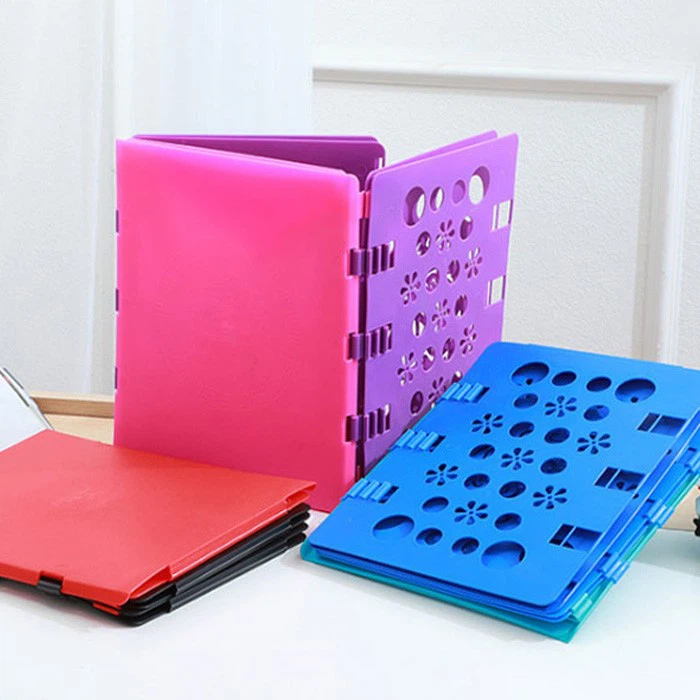
A Portable Cloth Folder is a convenient and practical way to organize and store clothes. For this application, a matte finish is often preferred, as it provides a non-reflective surface that reduces glare and makes it easier to see the contents of the folder. The matte finish is also more resistant to fingerprints and scratches than a glossy finish, making it ideal for use in a busy household or office.
3. Multi-functional Pvc Foam Sheet
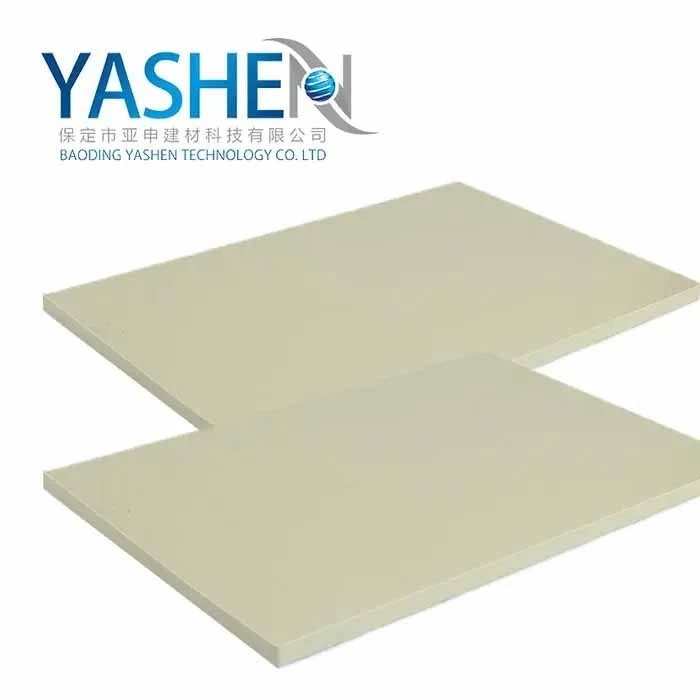
A Multi-functional Pvc Foam Sheet is a versatile material that can be used for a variety of applications, including signage, displays, and packaging. For this application, a textured or embossed finish is often preferred, as it provides a three-dimensional effect that enhances the visual appeal of the sheet. The textured or embossed finish can also add grip and slip resistance, making it suitable for use in applications where safety is a concern.
Conclusion
Choosing the right surface finish for your PVC sheets is an important decision that can significantly impact the functionality, aesthetics, and durability of the final product. By considering the factors discussed in this blog post, such as application, aesthetics, durability, and cost, you can select the perfect surface finish for your specific needs and requirements. As a PVC sheet supplier, I'm here to help you make the right choice and provide you with high-quality PVC sheets that meet your expectations. If you have any questions or need further assistance, please don't hesitate to contact me to discuss your procurement needs.
References
- "Plastic Materials and Processes: A Concise Encyclopedia" by Charles A. Harper
- "Handbook of PVC Formulating" by Edward J. Wickson
- "Polyvinyl Chloride (PVC): Properties, Processing, and Applications" by John V. Rosato