


Are PVC sheets resistant to saltwater? This is a question that often comes up when considering the use of PVC sheets in various applications, especially those related to marine or coastal environments. As a PVC sheet supplier, I've encountered this query numerous times from clients looking for durable and reliable materials for their projects. In this blog, I'll delve into the science behind PVC's resistance to saltwater, share some real - world examples, and explore the implications for different industries.
Understanding PVC and Its Properties
Polyvinyl chloride, or PVC, is a widely used synthetic plastic polymer. It is known for its versatility, durability, and relatively low cost. PVC can be formulated into different types, including rigid and flexible sheets, each with its own set of properties.
One of the key factors contributing to PVC's performance is its chemical structure. PVC is made up of long chains of vinyl chloride monomers. These chains are relatively stable and resistant to many chemical substances. However, the degree of resistance can vary depending on the specific formulation of the PVC sheet, such as the presence of additives, plasticizers, and stabilizers.
How Saltwater Affects Materials
Saltwater is a complex mixture of water, dissolved salts (primarily sodium chloride), and various other minerals and trace elements. The presence of salts can cause corrosion and degradation in many materials over time. Corrosion occurs when the metal or other reactive substances in a material react with the salts and oxygen in the water, leading to the formation of rust or other corrosion products.
In addition to corrosion, saltwater can also cause swelling, embrittlement, or loss of strength in some materials. These effects can compromise the structural integrity of the material and reduce its lifespan.
PVC's Resistance to Saltwater
Generally speaking, PVC sheets have a good level of resistance to saltwater. The non - reactive nature of the PVC polymer itself makes it less susceptible to the corrosive effects of salts. PVC does not contain metals that can rust, and its chemical bonds are relatively stable in the presence of saltwater.
However, it's important to note that not all PVC sheets are created equal. The quality of the PVC, the manufacturing process, and the presence of additives can all affect its resistance to saltwater. For example, high - quality PVC sheets with proper stabilizers and additives are more likely to withstand long - term exposure to saltwater than lower - quality ones.
In laboratory tests, PVC sheets have been shown to maintain their physical properties, such as tensile strength and flexibility, even after prolonged immersion in saltwater. These tests typically involve exposing the PVC samples to a simulated saltwater environment for a specified period and then measuring changes in their properties.
Real - World Applications
The resistance of PVC sheets to saltwater makes them suitable for a wide range of applications in marine and coastal environments. Here are some examples:
- Marine structures: PVC sheets can be used in the construction of docks, piers, and boat ramps. Their durability and resistance to saltwater corrosion ensure that these structures can withstand the harsh marine environment for many years.
- Aquariums: PVC is a popular choice for aquarium construction. It is non - toxic to fish and other aquatic life, and its resistance to saltwater makes it suitable for both freshwater and saltwater aquariums.
- Coastal signage: PVC sheets can be used to make signs for coastal businesses, beaches, and parks. The saltwater resistance of PVC ensures that the signs remain legible and in good condition despite exposure to the elements.
Our PVC Sheet Offerings
As a PVC sheet supplier, we offer a variety of PVC sheets that are suitable for saltwater applications. Our Frosted PVC Soft Sheet is a flexible and durable option that can be used in various marine projects. It has a smooth surface and is resistant to saltwater corrosion, making it ideal for applications such as boat interiors and marine covers.
Our Folding Board Flip Fold Clothes Folder is another product that demonstrates the versatility of PVC. Although it may not be directly related to marine applications, it showcases the strength and durability of our PVC materials.
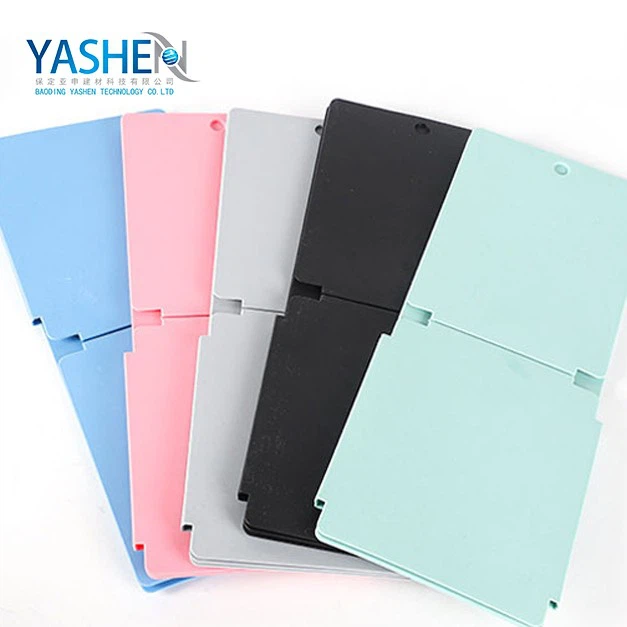

For more heavy - duty applications, our Multi - functional Pvc Foam Sheet is a great choice. It has excellent insulation properties and is highly resistant to saltwater, making it suitable for use in marine insulation and structural components.
Factors That Can Affect PVC's Performance in Saltwater
While PVC is generally resistant to saltwater, there are some factors that can potentially affect its performance:
- Temperature: High temperatures can accelerate the degradation of PVC. In hot saltwater environments, the PVC may soften or lose some of its mechanical properties more quickly.
- Exposure time: Prolonged exposure to saltwater can gradually wear down the PVC. Even though PVC is resistant, long - term exposure can still cause some minor changes in its surface or internal structure.
- Mechanical stress: If the PVC sheet is under constant mechanical stress, such as bending or stretching, in a saltwater environment, it may be more prone to damage.
Maintenance and Care
To ensure the long - term performance of PVC sheets in saltwater applications, proper maintenance and care are essential. Here are some tips:
- Regular cleaning: Rinse the PVC sheets with fresh water after exposure to saltwater to remove any salt residues. This can prevent the accumulation of salts, which may cause surface damage over time.
- Inspection: Periodically inspect the PVC sheets for any signs of damage, such as cracks, swelling, or discoloration. If any damage is detected, it should be repaired or replaced promptly.
- Avoid abrasive cleaners: Use mild, non - abrasive cleaners to clean the PVC sheets. Abrasive cleaners can scratch the surface of the PVC and reduce its resistance to saltwater.
Conclusion
In conclusion, PVC sheets generally have a good level of resistance to saltwater. Their non - reactive nature and stable chemical structure make them a suitable choice for many applications in marine and coastal environments. However, the quality of the PVC and proper maintenance are crucial for ensuring long - term performance.
As a PVC sheet supplier, we are committed to providing high - quality PVC sheets that meet the needs of our customers in saltwater applications. Whether you're building a marine structure, an aquarium, or a coastal sign, our PVC sheets can offer the durability and performance you need.
If you're interested in learning more about our PVC sheets or have a specific project in mind, please don't hesitate to contact us for a quote or to discuss your requirements. We look forward to partnering with you on your next project.
References
- ASTM International. Standard test methods for evaluating the resistance of plastics to environmental stress cracking.
- American Chemistry Council. Polyvinyl Chloride (PVC) Fact Sheet.
- Various scientific research papers on the performance of PVC in marine environments.